 New
NewMSI Surfaces
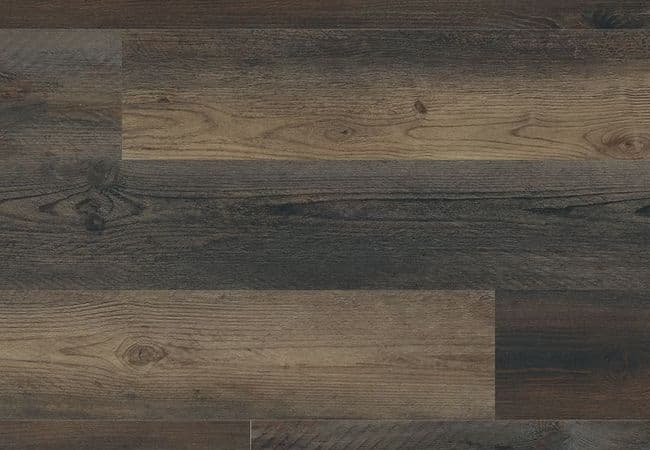
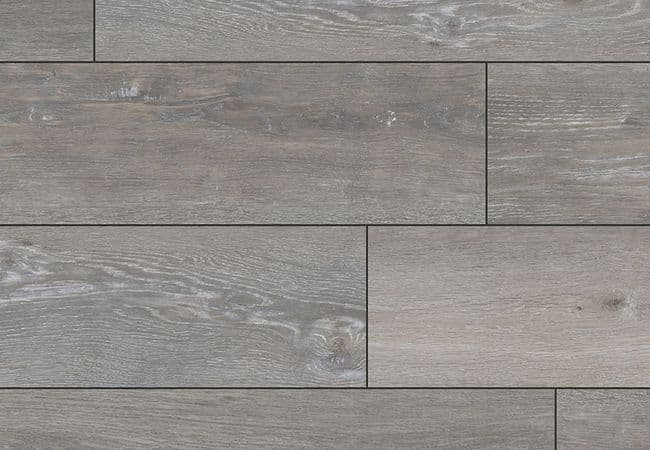
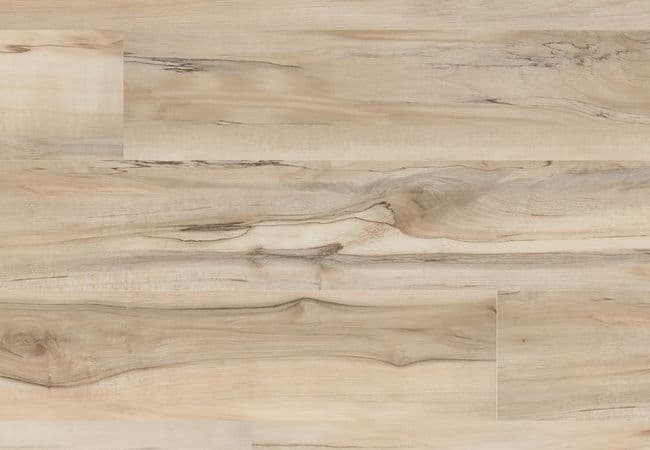
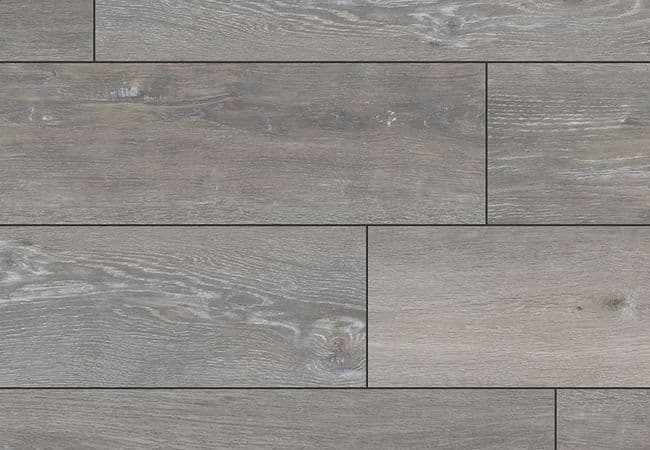
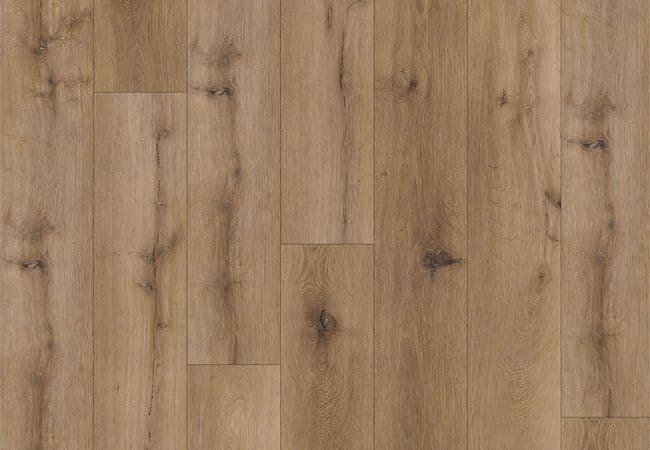
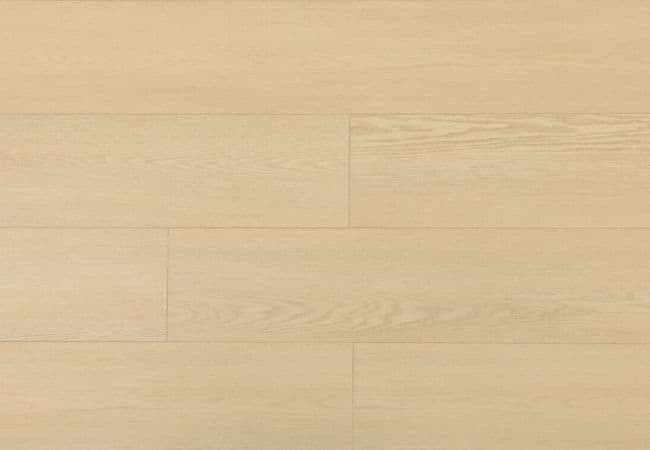
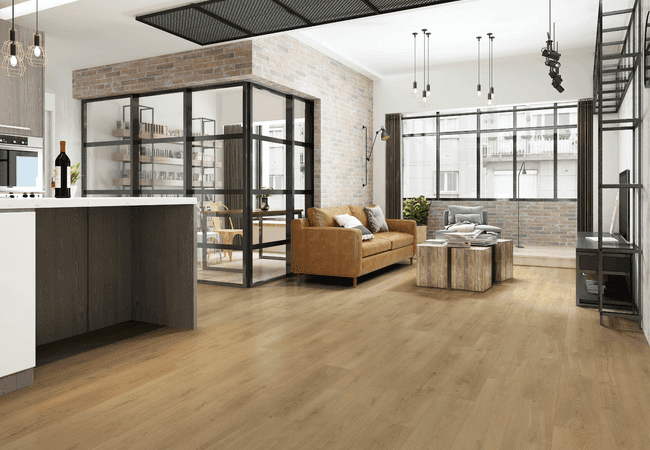
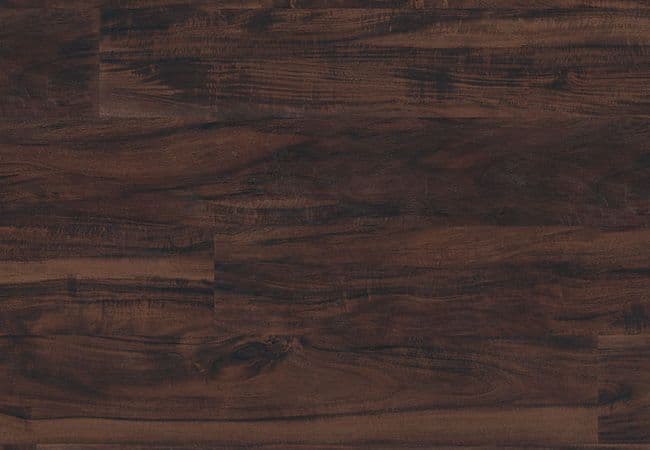
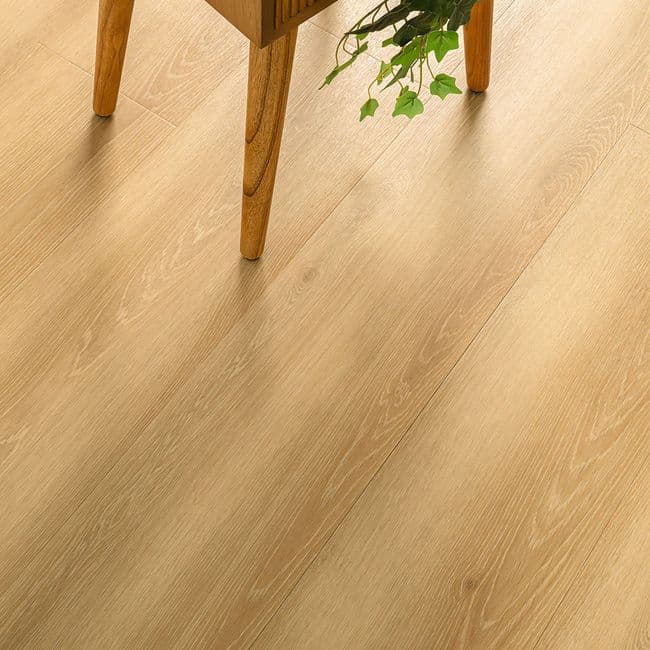
MSI Studio Malden Luxury Vinyl Plank
Vinyl Plank Flooring | 9 mm | 9"
Contact for price
Vinyl flooring offers durable, easy-care options for busy Ontario homes, including products designed for moisture-prone rooms and below-grade spaces. Visit our Mississauga flooring store or Barrie flooring store to compare LVP, SPC, WPC and glue-down vinyl, and confirm the right construction, temperature range and installation method for your room.
Start with the right vinyl family, then confirm construction, wear layer, and manufacturer room guidance on each product.
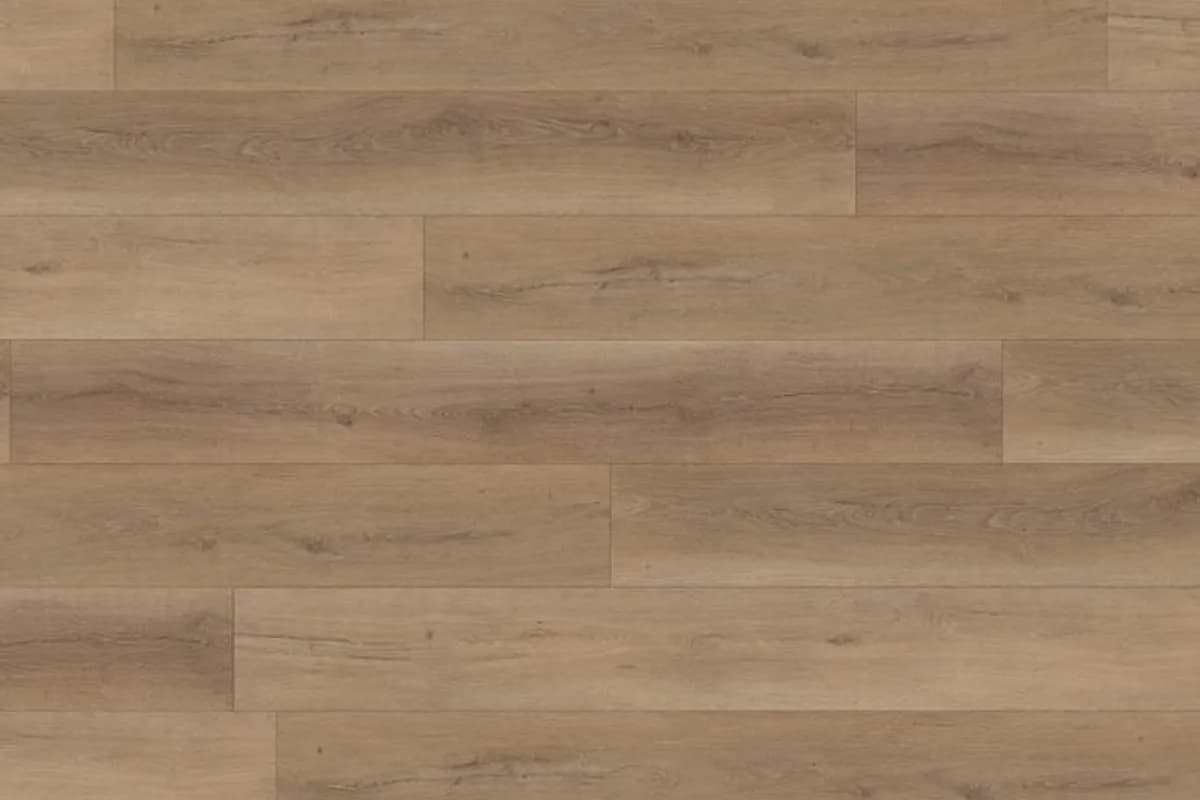
 Vinyl Plank FlooringWood-look click planks with options available for living areas and other manufacturer-approved rooms.
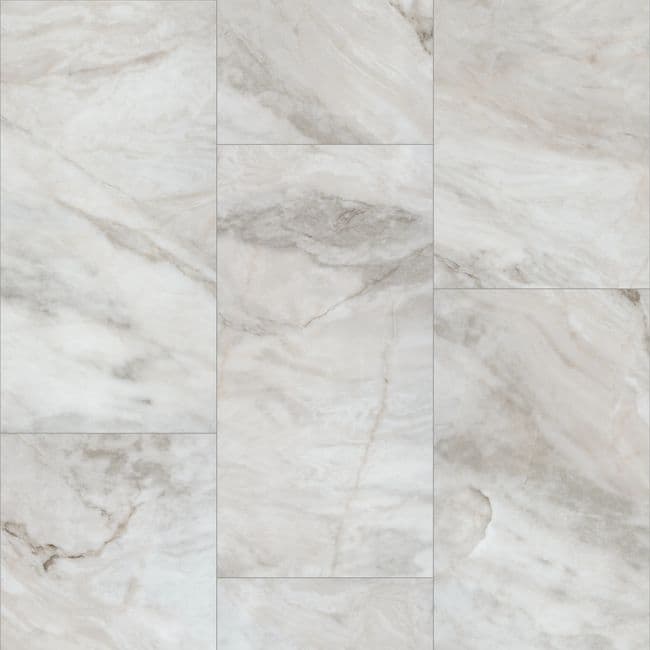 Luxury Vinyl TileStone- and tile-look LVT with options available for busy spaces when the product is rated for those rooms.
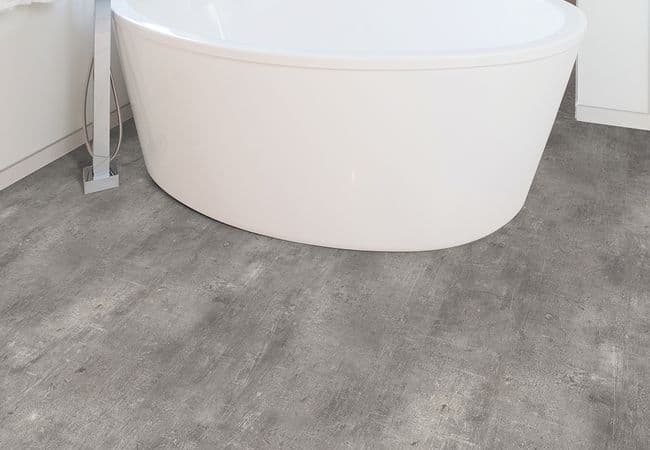 Sheet VinylSeamless sheet goods with options available for moisture-prone rooms when manufacturer-approved.
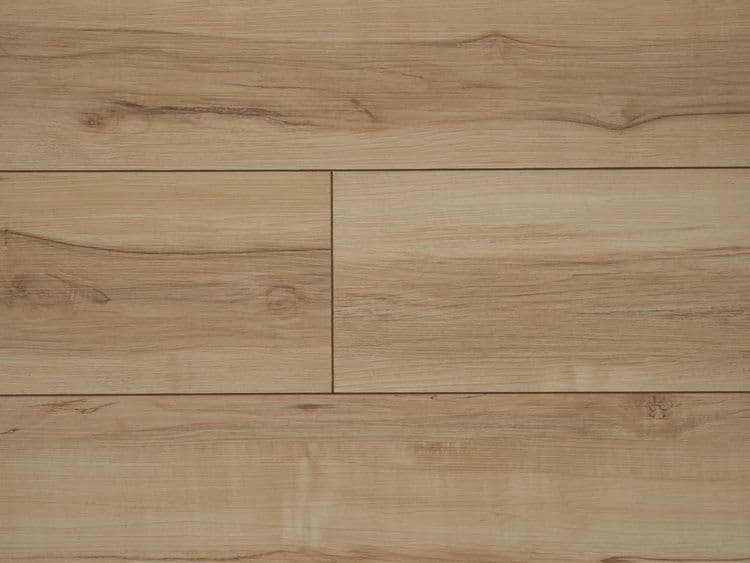 Vinyl Stair Tread & RiserMatching vinyl stair tread and riser sets for transitions from plank floors when manufacturer-approved.
Browse our complete collection of vinyl flooring.
NewMSI Surfaces
MSI Studio Malden Luxury Vinyl Plank
Vinyl Plank Flooring | 9 mm | 9"
Contact for price
 New
NewCOREtec Floors
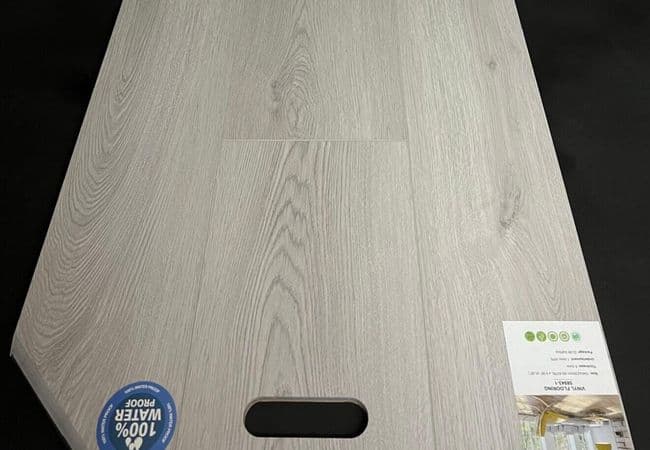
Coretec Originals Premium Grande Honeyed Maple Luxury Vinyl Plank
Vinyl Plank Flooring | 15 mm | 9"
Contact for price
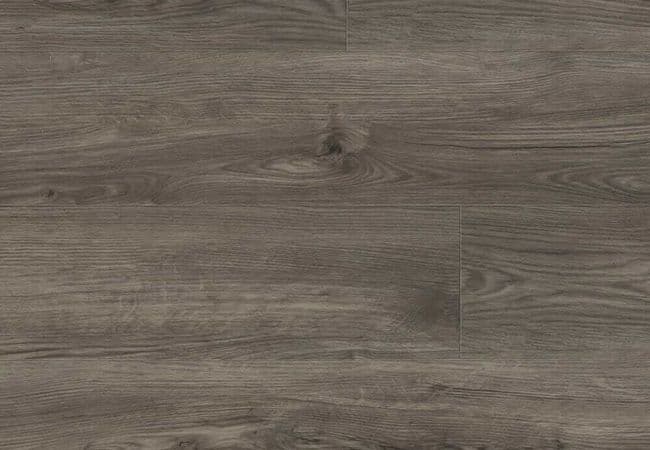
Beaulieu
Beaulieu Seaside Caribbean Luxury Vinyl Plank
Vinyl Plank Flooring | 3 mm | 7"
Contact for price

Fuzion Flooring
Fuzion Woodlands Riverbed Luxury Vinyl Plank
Vinyl Plank Flooring | 2 mm | 7"
$1.93/sq.ft
 New
NewNext Floor
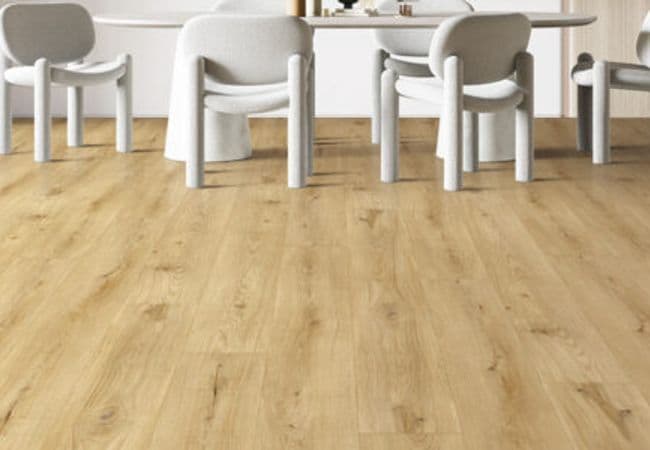
Next Floor Expanse II Sunrise Oak Luxury Vinyl Plank
Vinyl Plank Flooring | 6 mm | 9"
$3.29/sq.ft
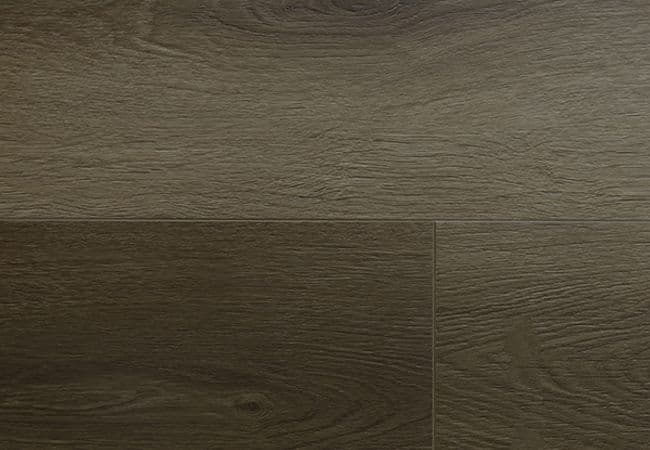
Richmond Flooring
Richmond FirmFit Premium Euro Coconuts Luxury Vinyl Plank
Vinyl Plank Flooring | 5 mm | 8"
Contact for price
 New
NewShaw Floors
Shaw Pantheon HD Plus Natural Bevel Pavestone Luxury Vinyl Plank
Vinyl Plank Flooring | 8 mm | 7"
Contact for price
 New
NewUnifloor
Aquafix Grand Cru Elite Sorrento Luxury Vinyl Plank
Vinyl Plank Flooring | 6.5 mm | 9"
Contact for price
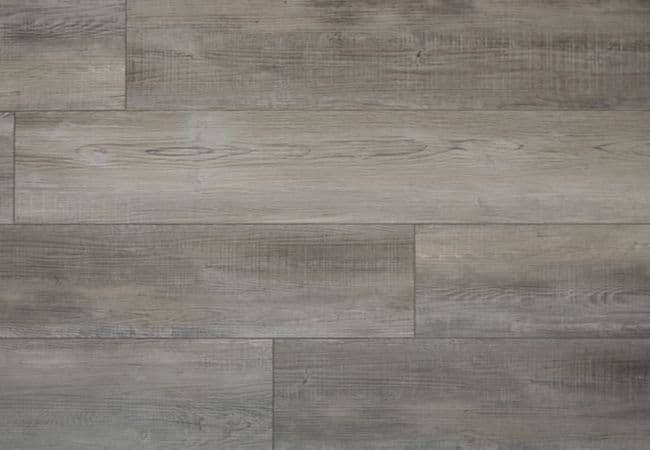
Twelve Oaks Flooring
Twelve Oaks Surewood Plus Farmhouse Luxury Vinyl Plank
Vinyl Plank Flooring | 8 mm | 9"
$5.03/sq.ft
 New
NewTaiga Building
Sierra Home Slate Luxury Vinyl Plank
Vinyl Plank Flooring | Thickness: 2 mm | Width: 7" | Wear Layer: 6 mil | Box Coverage: 46.67
Contact for price

Grandeur Flooring
Grandeur Bliss Hiking Trail Luxury Vinyl Plank
Vinyl Plank Flooring | 8.5 mm | 9"
$5.29/sq.ft
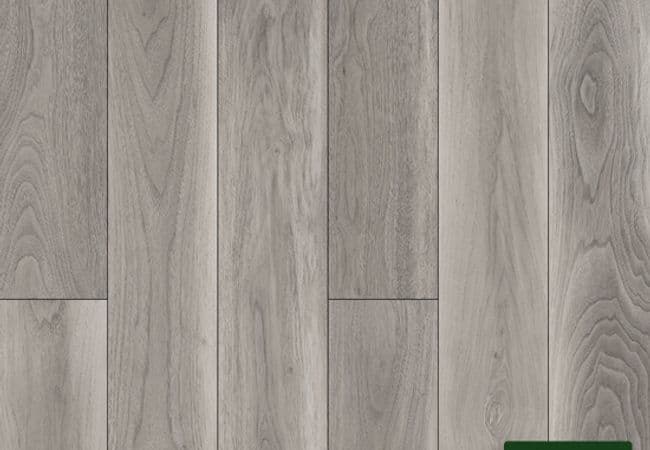
Riche Flooring
Riche 8205 Luxury Vinyl Plank
Vinyl Plank Flooring | 10 mm | 6"
$3.62/sq.ft
 New
NewMSI Surfaces
MSI Studio Adlar Luxury Vinyl Plank
Vinyl Plank Flooring | 9 mm | 9"
Contact for price
 New
NewCOREtec Floors
Coretec Originals Premium Grande Golden Halo Oak Luxury Vinyl Plank
Vinyl Plank Flooring | 15 mm | 9"
Contact for price
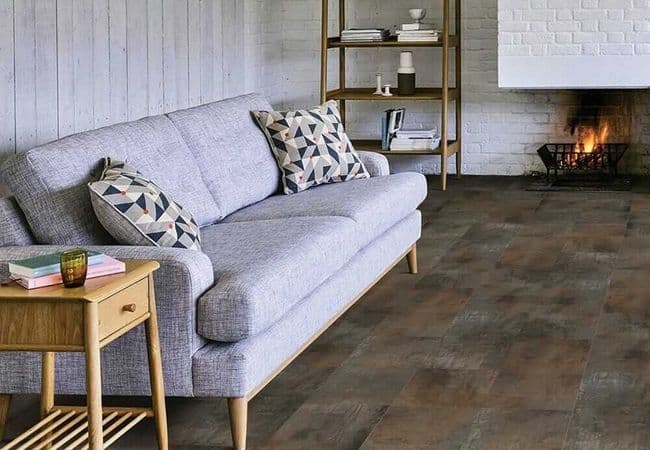
Beaulieu
Beaulieu Skyline New York Luxury Vinyl Plank
Vinyl Plank Flooring | 3 mm | 12"
Contact for price
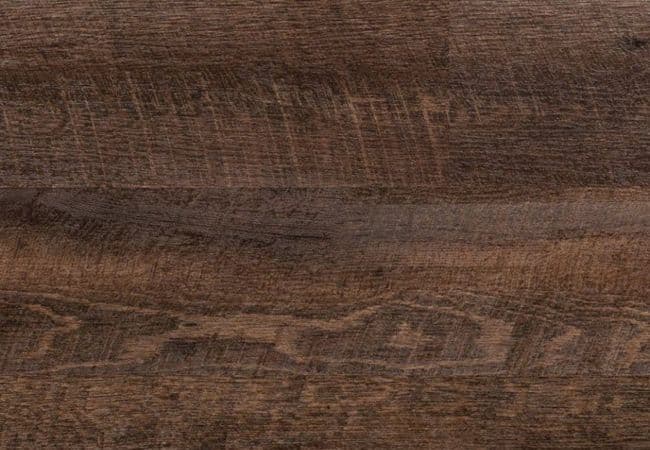
Fuzion Flooring
Fuzion Woodlands Log Cabin Luxury Vinyl Plank
Vinyl Plank Flooring | 2 mm | 7"
$1.93/sq.ft
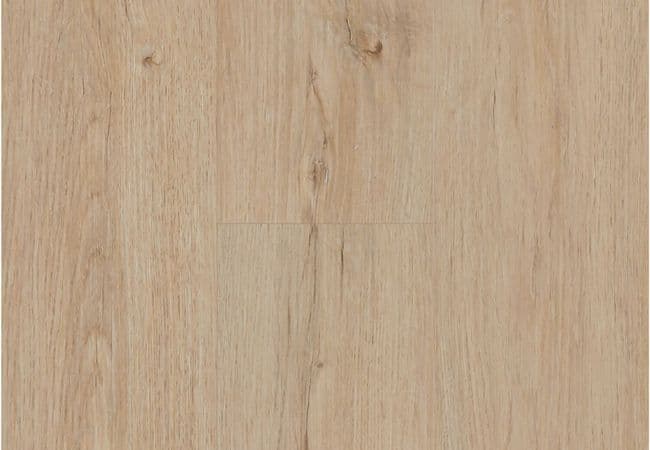
Next Floor
Next Floor Everwood Natural Oak Luxury Vinyl Plank
Vinyl Plank Flooring | 5.5 mm | 7"
Contact for price
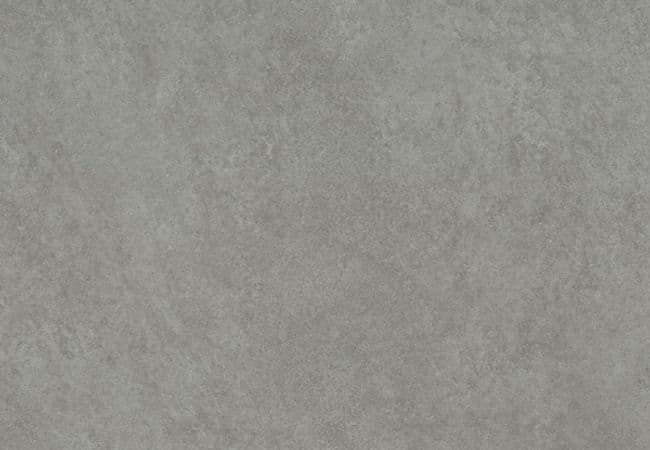
Richmond Flooring
Richmond Flexfit Pro Smokestack Luxury Vinyl Tile
Luxury Vinyl Tile | 5 mm | 24"
Contact for price
 New
NewShaw Floors
Shaw Pantheon HD Plus Natural Bevel Ponder Luxury Vinyl Plank
Vinyl Plank Flooring | 8 mm | 7"
Contact for price
 New
NewUnifloor
Aquafix Grand Cru Elite Naples Luxury Vinyl Plank
Vinyl Plank Flooring | 6.5 mm | 9"
Contact for price
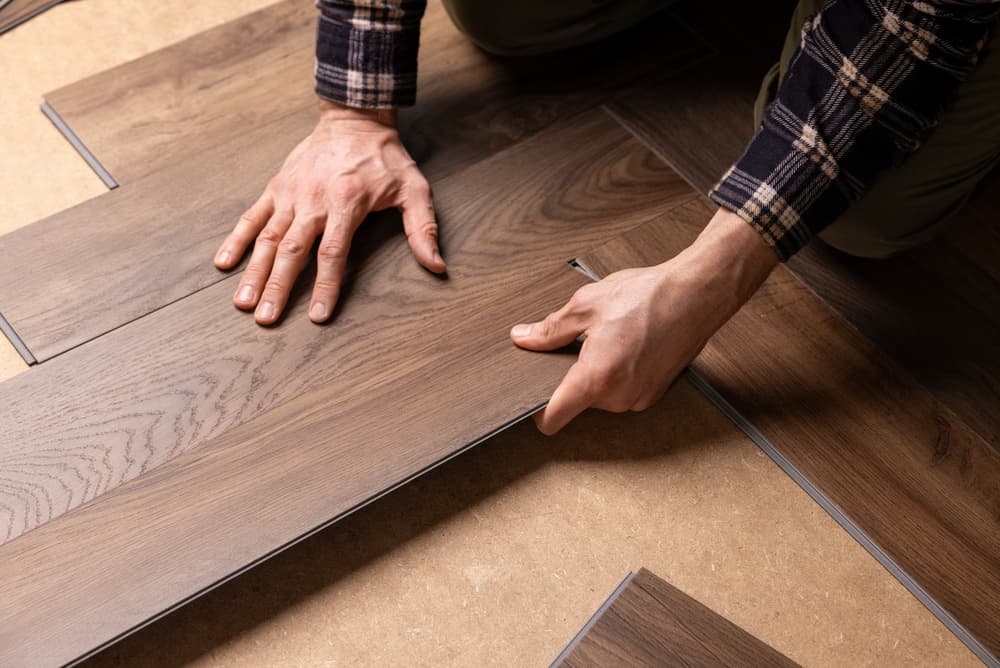
1 Year Workmanship Warranty
Our in-house installation teams bring over 3,500 completed projects of experience. We install click/floating, glue-down, loose-lay, and sheet vinyl using the preparation and accessories required by the selected product. That includes subfloor preparation, moisture testing when required, transitions, and manufacturer instructions, not one universal underlayment or assembly for every system.
Compare flooring samples in person.
Confirm product, colour, construction, and quantity.
Review room measurements and floor preparation.
Installation completed by our in-house team.
One of the easiest flooring mistakes is choosing vinyl from a small online photo and assuming every plank with the same thickness or wear layer will perform the same way.
The colour may look different under your lighting. The surface may feel too artificial. The locking system may not suit the project. The product may also be unsuitable for your concrete slab, condo requirements, cottage temperature range or planned installation method.
In simple terms: vinyl flooring should be selected as a complete system not only by colour, thickness or price.
At Squarefoot Flooring, you can compare vinyl flooring in person at our Mississauga and Barrie showrooms. Bring cabinet doors, paint samples, measurements, subfloor photos and any condo flooring policy you have. These details help us identify products that fit the actual project.
No single vinyl construction is automatically best for every room. The correct choice depends on:
Click-lock vinyl planks connect mechanically and normally float over a properly prepared subfloor. They are commonly considered for living rooms, bedrooms, kitchens, finished basements, condos and rental properties.
A floating floor still requires a flat, stable and approved substrate. Moisture, floor preparation and existing flooring must be reviewed before installation.
SPC stands for Stone Plastic Composite. It uses a dense rigid core and generally feels firmer underfoot than WPC.
Depending on the collection, SPC may be considered for concrete basements, busy homes, kitchens, entrances and some commercial spaces. Certain products may also be approved for wider temperature ranges.
The letters SPC do not confirm that a floor is suitable for a cottage, sunroom or unheated room. Check the product’s temperature limits, acclimation instructions, expansion requirements and warranty.
WPC commonly refers to vinyl flooring with a foamed composite core. It often feels softer, warmer and quieter underfoot than a dense SPC product.
WPC may work well in bedrooms, family rooms and climate-controlled living areas where comfort is a priority. Seasonal-room and cottage use must still be confirmed for the exact collection.
Loose-lay vinyl uses a high-friction backing designed to help the plank or tile remain in place without a click system. Some products may still require perimeter adhesive.
Loose lay can be useful where a lower-profile floor is needed, downtime must be reduced or individual pieces may need to be replaced later.
Some loose-lay products also provide acoustic benefits, but condo approval must be based on documentation for the complete tested floor assembly.
Glue-down, also called dry-back vinyl, is bonded directly to a prepared substrate with an approved adhesive.
It is commonly used in offices, retail areas, multi-unit buildings, commercial corridors and residential rooms where a low-profile installation is preferred.
A successful glue-down installation depends on:
A thick wear layer alone does not make a product suitable for every commercial project. The flooring, adhesive, expected traffic and substrate must be reviewed together.
The wear layer is the clear protective surface above the printed design. It helps resist scratching, staining and everyday wear, but it is only one part of the floor’s performance.
Wear layers are usually measured in mil. One mil is one-thousandth of an inch.
Lower wear layers may be suitable for lighter residential rooms when supported by the manufacturer’s warranty. Twelve-mil products can work in many residential applications. Twenty-mil products are common in busy households and in some light-commercial products. Heavier wear layers may be considered for higher-traffic areas.
These are general shopping ranges, not universal rules.
When comparing vinyl, review the wear layer together with:
A thicker product is not automatically more durable. Thickness may affect underfoot feel, locking-profile depth and transition height, but it does not confirm scratch resistance, temperature approval or commercial suitability. See our guide on choosing vinyl plank thickness
Vinyl flooring does not correct an uneven or unstable subfloor.
Dips, ridges, cracks, loose plywood, high fasteners and poor patching can cause movement, clicking, joint failure, telegraphing and adhesive problems.
Subfloor flatness must meet the selected product’s published tolerance over the manufacturer’s specified distance. There is no single flatness rule for every vinyl product.
Concrete should be assessed for moisture, cracks, flatness, porosity, contaminants, coatings and old adhesive.
A waterproof vinyl plank does not mean slab moisture can be ignored. Moisture moving through concrete can still affect adhesives, underlayments and warranty coverage.
Plywood and wood subfloors should be checked for movement, loose panels, squeaks, high seams, fastener heads and damaged sections.
Additional preparation or underlayment-grade panels may be required before installation.
Many click-lock vinyl products include an attached pad. It may provide comfort and minor sound reduction, but it does not automatically mean:
Adding an unapproved underlayment can create excessive movement and may affect the locking system or warranty. Always review the installation instructions for the exact product.
For a Mississauga condo, review the building’s flooring policy before choosing a product.
The condominium corporation may require IIC, FIIC or STC documentation, an approved tested assembly, specific underlayment, contractor insurance or property-management approval.
A product carrying an IIC rating does not automatically meet the building’s requirements. Test results depend on the slab, ceiling assembly, flooring and underlayment used during testing.
In simple terms: the flooring, attached pad and any separate underlayment must be reviewed as one complete system.
Bring your condo documents to our Mississauga showroom. We can help identify products with relevant acoustic information, but final approval remains with the property manager or condominium corporation.
For a family home, compare traffic, pets, scratch expectations, sunlight exposure, subfloor type, installation method, trims and warranty coverage.
A waterproof product can help with everyday spills, but it does not waterproof the room or stop water from reaching the subfloor around walls, cabinets, vents and floor penetrations.
For Barrie basements, confirm below-grade approval, concrete moisture conditions, slab flatness, underlayment requirements and water-entry risks.
Cottages and seasonal properties require more careful product selection. Unheated rooms may experience low winter temperatures, rapid temperature changes, strong sunlight and high summer humidity.
Rigid-core flooring is often considered for these spaces, but rigid core does not automatically mean cottage approval. Choose only a product whose technical sheet and warranty support the expected temperature range and room conditions.
Some vinyl collections are approved over radiant heat, while others have restrictions.
Confirm the maximum permitted surface temperature, type of heating system, subfloor compatibility and required temperature-change rate.
Many vinyl products are practical for kitchens, powder rooms and some bathroom applications because they resist surface spills. However, a waterproof plank does not mean the room is waterproofed or that standing water can be left indefinitely.
Confirm the approved room and warranty for the exact collection.
Commercial projects require more than choosing a thick wear layer.
Review the commercial warranty, rolling-load limits, static-load limits, slip resistance, adhesive system, cleaning requirements, expected traffic and substrate conditions.
Glue-down, loose-lay and certain rigid-core products may be appropriate, but the complete flooring system must match the project.
Depending on the installation, you may also need:
Exact-match trims are not available for every product. Confirm the required profiles before ordering, especially where stairs or different floor heights are involved.
Explore our baseboards and trims, vinyl installation service and flooring calculator before finalizing the project.
SPC generally offers a denser core, firmer feel and strong dimensional stability. WPC generally provides more cushioning and warmth.
These are general construction differences, not performance guarantees. Before choosing either one, confirm the approved room, installation level, temperature range, moisture requirements, radiant-heat approval and warranty.
Browse our vinyl plank flooring to compare available constructions.
Quick answers to the questions homeowners ask most before buying.
Vinyl flooring decisions are hard to make from a thumbnail. Visit either store to compare LVP, SPC, WPC, and sheet vinyl under real lighting, review manufacturer specifications with our team, and speak with the same crew that installs these floors every week.
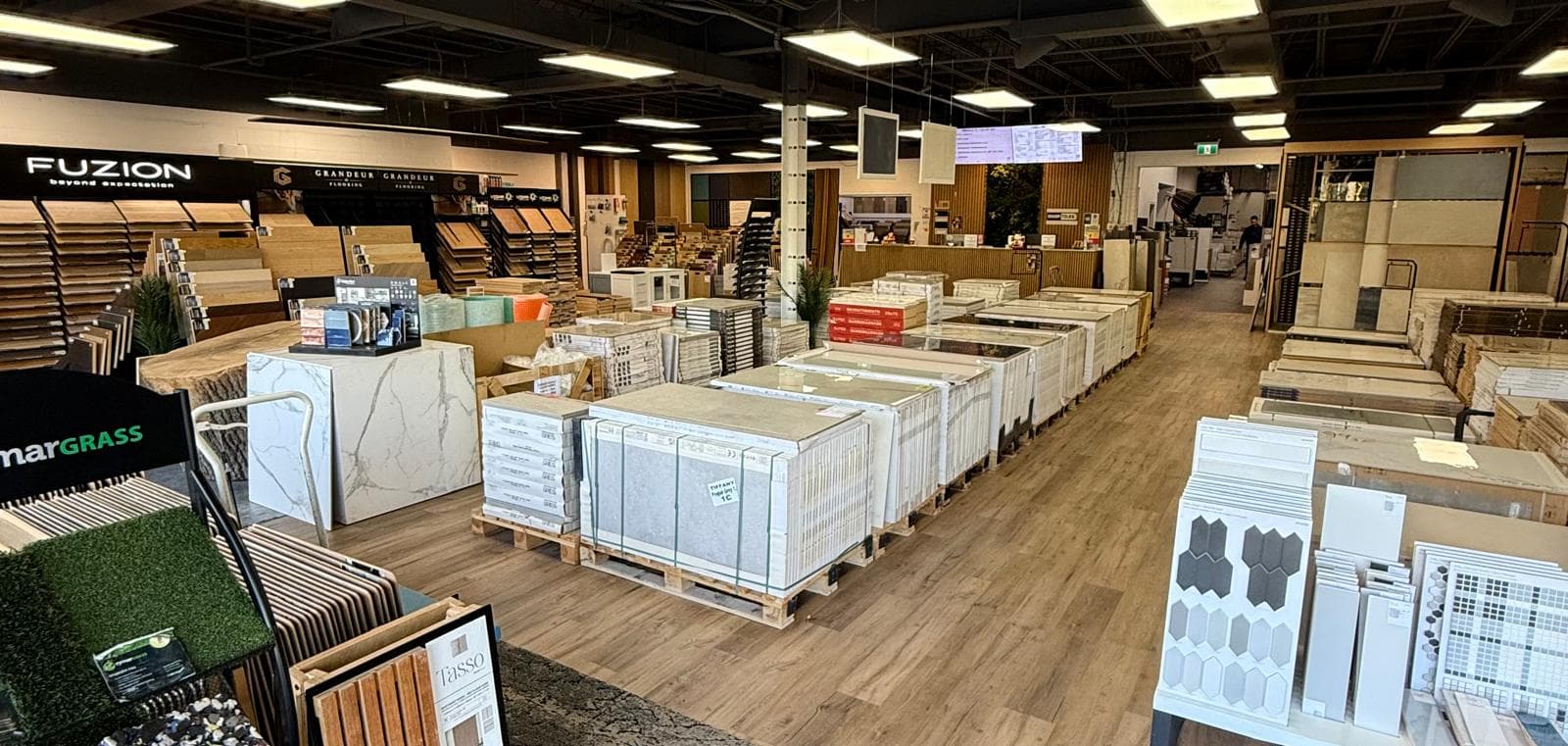
Compare LVP, SPC, WPC, loose-lay, and sheet vinyl samples under showroom lighting. Our specification desk helps match wear layer, core, and installation method to your rooms.
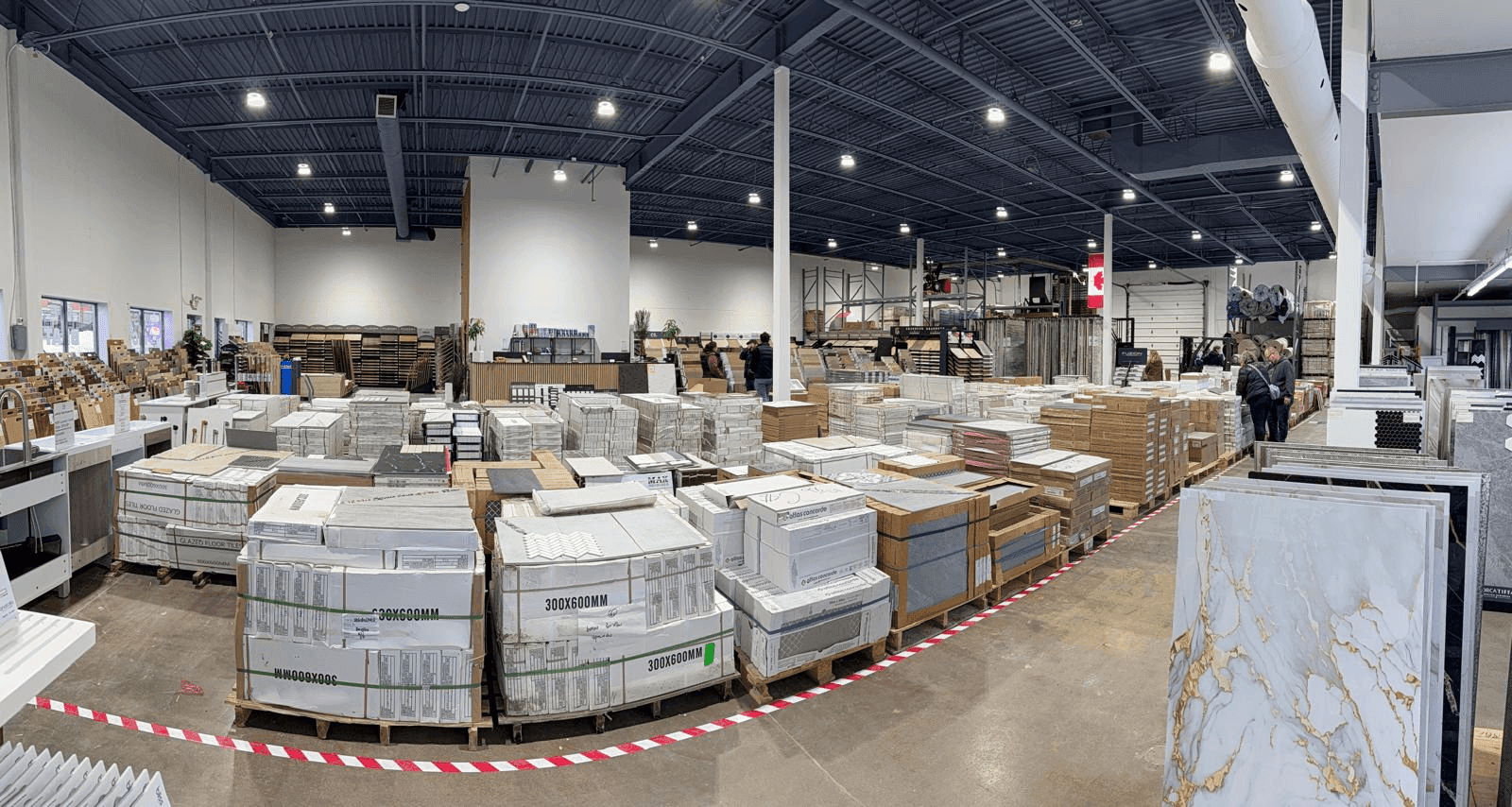
See rigid-core and other vinyl options suited to cottages, seasonal rooms, and everyday homes, then confirm each product’s published temperature range and installation requirements with our team.
Not everyone can visit a store right away. Send photos, room measurements, product screenshots, or questions by text and our team will help you narrow down options before your visit.
Text UsWe deliver materials and install flooring throughout the GTA, Simcoe County, and surrounding communities using our own in-house installation crews. Most projects can be measured, quoted, supplied, and installed through a single point of contact.
Contact Our TeamBook a store visit or in-home measurement when you are ready. Availability varies by week; many homeowners schedule within a few business days. Bring room conditions and we will help review manufacturer temperature, acclimation, expansion, sunlight, and warranty limits.