Anatolia Tile vs. MSI Surfaces: Quality Comparison Guide
Selecting the ideal tile brand often hinges on durability, design variety, and local support—how does the quality of tiles at Anatolia Tile & Stone compare to MSI Surfaces for homeowners in the Greater Toronto Area and Ontario? In this guide, you’ll discover detailed brand profiles, essential quality metrics like PEI rating and water absorption, head-to-head comparisons by tile type, real-world customer feedback, pricing analysis, 2025 regional trends, and decision-making criteria. Whether you’re renovating a bathroom or specifying high-traffic flooring, this article maps every factor you need to make an informed choice and taps into expert installation insights from local flooring specialists.
What Are the Key Differences Between Anatolia Tile & Stone and MSI Surfaces?
Anatolia Tile & Stone and MSI Surfaces each offer distinct strengths in material selection, distribution reach, and design innovation, guiding homeowners toward tailored flooring solutions. Anatolia excels in a broad ceramic and natural stone catalog, while MSI focuses on competitive pricing and advanced porcelain technologies. Understanding these differences empowers buyers to match brand capabilities with project requirements and local climate considerations.
Who Are Anatolia Tile & Stone and What Products Do They Offer?
- A vast porcelain and ceramic tile portfolio in sizes from mosaics to large-format planks.
- Natural stone collections including marble, granite, and quartzite sourced globally.
- Specialty lines such as wood-look porcelain, glass mosaics, and high-definition décor tiles.
- Custom fabrication services for countertops and cladding, backed by quality control testing.
Drawing from decades of material expertise, Anatolia’s curated collections cater to both residential elegance and commercial durability, positioning each product for seamless integration into modern GTA homes.
What Is MSI Surfaces’ Market Position and Tile Selection?
- Competitive porcelain ranges featuring CrystaLux and enhanced abrasion resistance.
- Budget-friendly ceramic tile options in classic and contemporary patterns.
- Natural stone offerings with post-purchase sealing recommendations and value bundles.
- Complementary hardscape products such as pavers and wall veneers, broadening design scope.
By optimizing supply chains and introducing frequent new collections, MSI balances value-driven pricing with trend-responsive designs that appeal to cost-conscious Ontario renovators.
How Do These Brands Serve Homeowners in the GTA and Ontario?
- Regional distribution centers stocked for quick fulfillment in Toronto, Mississauga, and surrounding areas.
- Partnerships with certified installers who understand Ontario’s freeze-thaw cycles and humidity considerations.
- Showroom networks showcasing real-life installations, allowing homeowners to view texture, sheen, and grout lines in person.
- Expert consultation services that guide tile selection according to traffic areas, maintenance routines, and design themes.
This local infrastructure ensures timely access to products and professional advice, reducing lead times and installation errors for GTA projects.
How Do Anatolia and MSI Compare on Essential Tile Quality Metrics?
Comparing core metrics clarifies performance expectations for each brand’s tile lines and helps predict long-term value.
Metric
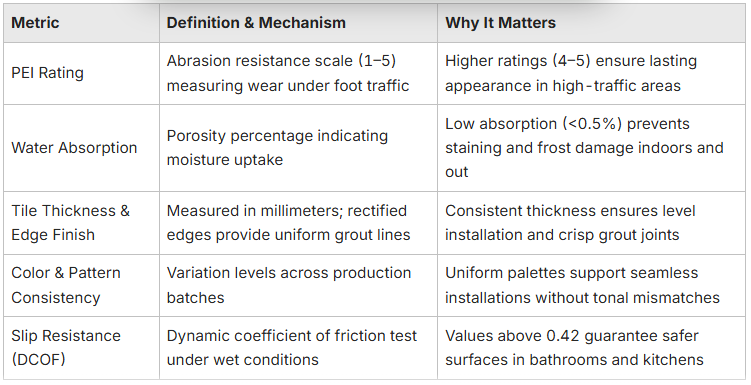
Anatolia’s porcelain collections often achieve PEI 5 and absorption below 0.1%, while MSI’s premium lines closely match these specs. Ceramic and natural stone offerings vary more widely, so checking individual datasheets is essential.
How Do Anatolia and MSI Tiles Compare by Tile Type?
What Are the Durability, Design, and Price Differences in Porcelain Tiles?
Before comparing offerings, note that porcelain leverages dense clay and high-heat firing for superior durability. Homeowners benefit from scratch resistance, consistent coloration, and frost-proof performance.
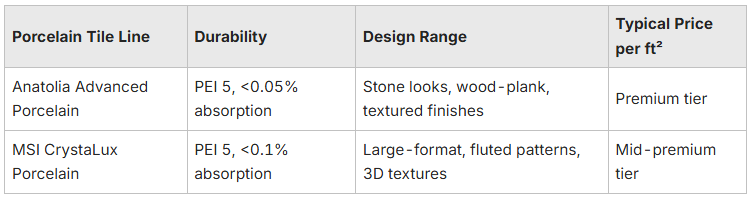
Anatolia commands a slight premium for exclusive finishes, while MSI provides broader accessible options without significant performance trade-offs.
How Do Ceramic Tile Options from Anatolia and MSI Differ in Quality and Style?
Ceramic tiles use colored clays and lower firing temperatures, yielding vibrant glazes but higher porosity. They suit walls and low-traffic floors.
- Anatolia’s ceramic ranges focus on handcrafted glazes and artisanal patterns
- MSI offers mass-produced collections in standard sizes and classic colorways
- Both brands ensure glaze PEI ratings of 3–4, adequate for residential bath and backsplash use
The artisan appeal of Anatolia can elevate aesthetic statements, whereas MSI’s economy lines deliver straightforward, budget-minded installations.
How Do Specialty Tiles Like Mosaics, Wood-Look, and Glass Compare?
Specialty tiles expand creative possibilities but require precise installation.
- Mosaics: Anatolia’s custom glass mosaics blend color chips; MSI’s mesh-mounted sheets streamline grid layouts.
- Wood-Look: Both brands offer textured porcelain planks with realistic grain patterns; Anatolia emphasizes hand-scraped visuals, MSI focuses on consistent replication.
- Glass & Metal Accents: Anatolia leads with high-gloss decorative inserts; MSI pairs metallic trims with glass tiles for modern backsplashes.
Specialty lines from both provide unique focal points, though installation expertise is critical to maintain alignment and grout integrity.
What Do Customers Say About Anatolia Tile & Stone and MSI Surfaces?
What Are Common Reviews and Warranty Details for Anatolia Tile & Stone?
Homeowners praise Anatolia for rich color depth and unique finishes, noting occasional shipping damage on fragile mosaics. Warranties typically cover manufacturing defects for ten years, with responsive customer support and replacement policies.
How Do MSI Surfaces Customers Rate Their Tile Quality and Service?
MSI attracts positive feedback for value pricing and consistent product availability. Some natural stone purchasers report staining or variation beyond expected levels. MSI’s standard warranty spans ten years for residential use and includes replacement for verified defects. For more information, visit MSI Surfaces.
How Are Common Complaints Addressed by Both Brands?
When glaze chips or shipping damage occur, both manufacturers coordinate rapid remakes or credit allowances. Authorized installers often mitigate installation errors by providing protective handling and grout training, preserving long-term tile integrity.
How Do Anatolia and MSI Compare in Pricing and Value for GTA Homeowners?
What Is the Cost Comparison Per Square Foot for Anatolia vs. MSI Tiles?
- Anatolia porcelain: Premium $8–$12 per ft²
- MSI equivalent porcelain: Mid-premium $6–$10 per ft²
- Ceramic tiles: Anatolia $4–$6 vs. MSI $2–$5 per ft²
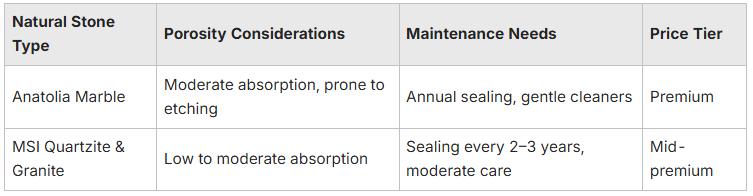
- Natural stone: Anatolia $10–$15 vs. MSI $8–$13 per ft²
How Does Installation Cost and Expertise Affect Overall Value?
Professional installation services in Toronto average $5–$8 per ft² for porcelain and $4–$6 for ceramic. Skilled installers ensure flat substrates, correct mortar application, and precise grout joints—protecting your investment by preventing lippage and premature failures.
What Is the Long-Term Return on Investment for Each Brand?
Durable porcelain achieves ROI through minimal maintenance and longevity beyond 20 years, while ceramic and natural stone require periodic care. Anatolia’s artistic lines may elevate resale appeal, whereas MSI’s balanced cost-performance ratio supports budget-focused renovations.
Where Can GTA and Ontario Homeowners Find These Tiles Locally?
Homeowners can view collections at multiple showrooms across Toronto and surrounding suburbs, often supported by flooring specialists offering curated displays, sample take-homes, and color-matching consultations.
What Are the Latest Tile Trends and Local Preferences in GTA and Ontario for 2025?
Which Tile Styles Are Popular Among GTA Homeowners?
Earthy neutrals, large-format slabs, and textured finishes dominate modern GTA interiors, providing seamless visual expansion in open-plan kitchens and living areas.
How Are MSI and Anatolia Adapting to Modern Tile Design Demands?
Both brands introduce collections with 3D embossing, ultra-matte glazes, and integrated antimicrobial surfaces. Anatolia emphasizes artisan craftsmanship; MSI focuses on scalable digital printing for intricate patterns.
What Tile Options Are Best for High-Traffic and Wet Areas in Ontario Homes?
Porcelain with PEI 5, COF >0.42, and absorption <0.1% is ideal. Both brands offer specialized wet-area lines rated for outdoor and bathroom use, ensuring slip resistance and freeze-thaw durability.
How Can Homeowners Choose Between Anatolia Tile & Stone and MSI Surfaces?
What Factors Should Influence Your Tile Brand Choice?
Consider durability ratings, design variety, budget constraints, warranty terms, and local installer expertise. Matching tile specifications to room function and maintenance willingness guides an optimal selection.
How Can a Professional Installation Service Enhance Your Tile Experience?
Expert installers deliver precise subfloor preparation, consistent grout application, and warranty-approved handling that preserve tile performance and aesthetics for years.
Where to Get Expert Consultation and View Tile Samples in the GTA?
Visit local flooring showrooms staffed by design consultants who offer sample boards, lighting simulations, and customized project proposals—ensuring your tile choice aligns with your home’s style and traffic demands.
Recognizing the subtle strengths of each brand and leveraging expert installation support empowers homeowners in the GTA and Ontario to achieve beautiful, lasting tile projects. By aligning quality metrics, design goals, and budget parameters, you can confidently select between Anatolia Tile & Stone and MSI Surfaces and transform your space with flooring that endures both style trends and daily use.