Appalachian Flooring
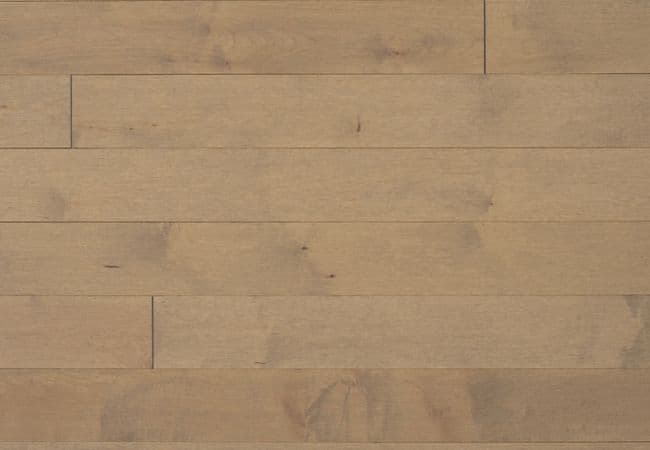
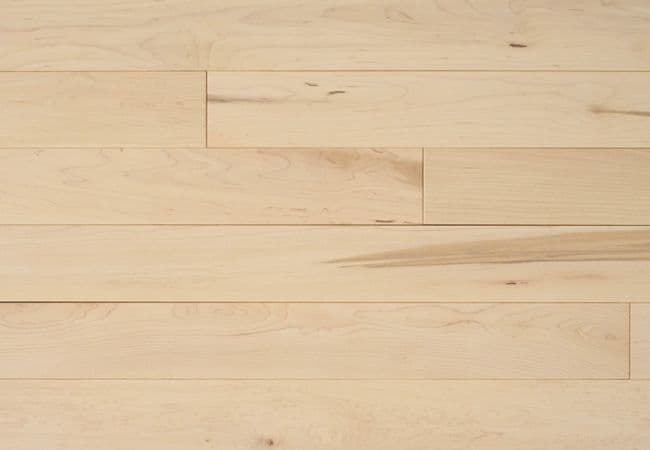
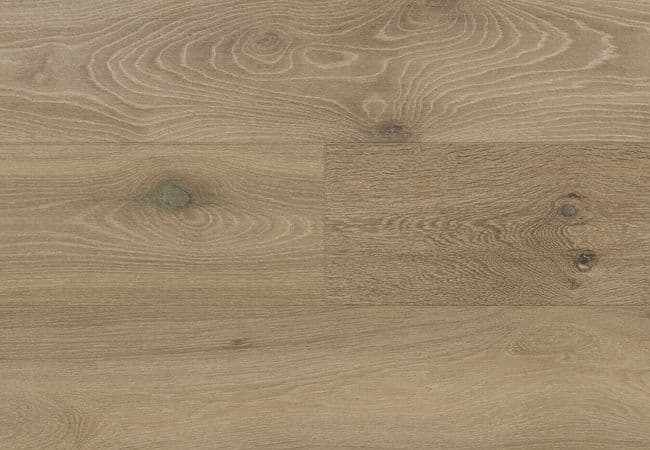
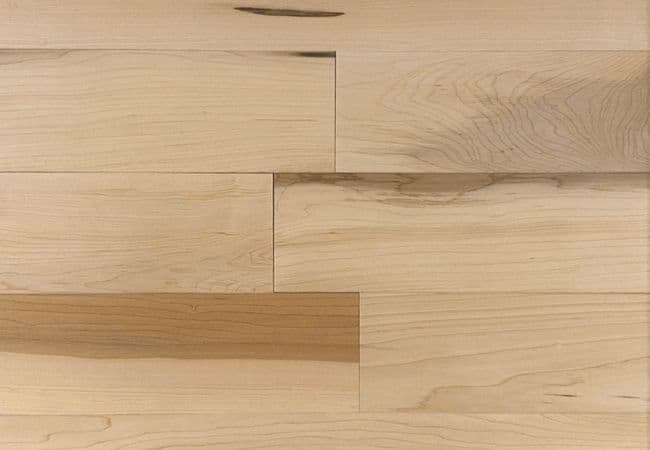
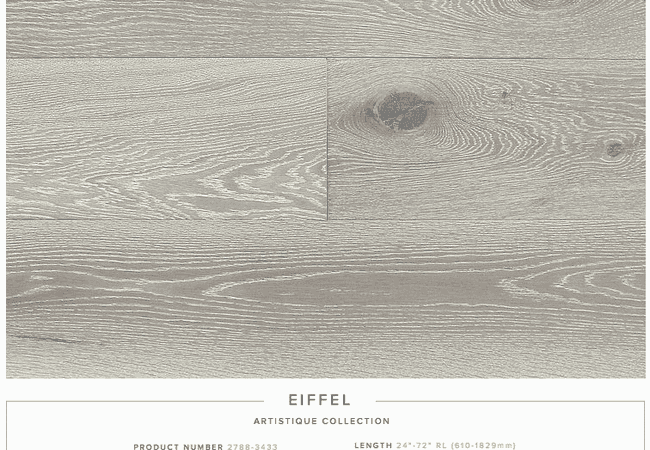
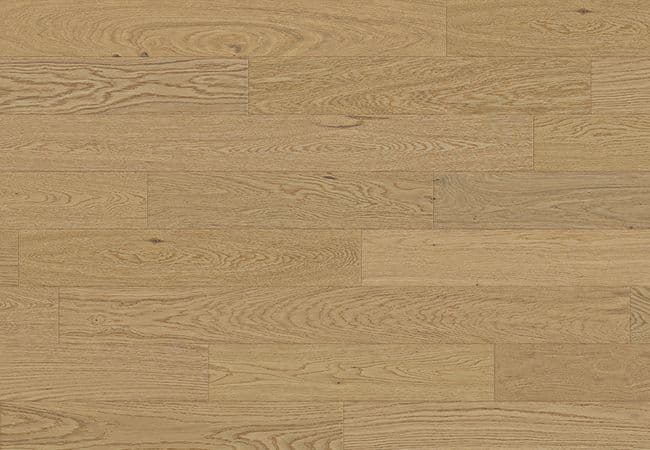
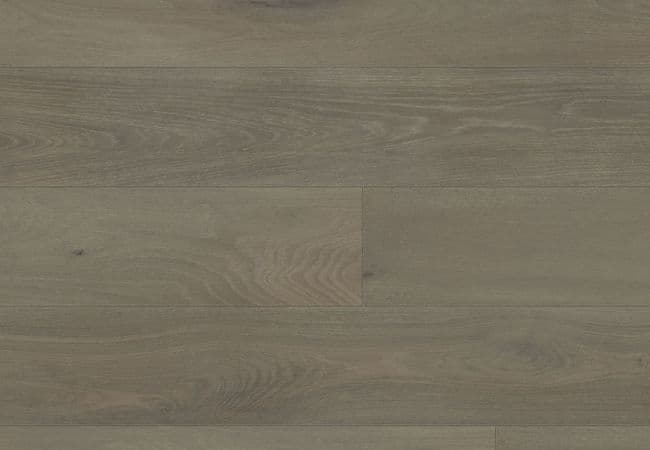
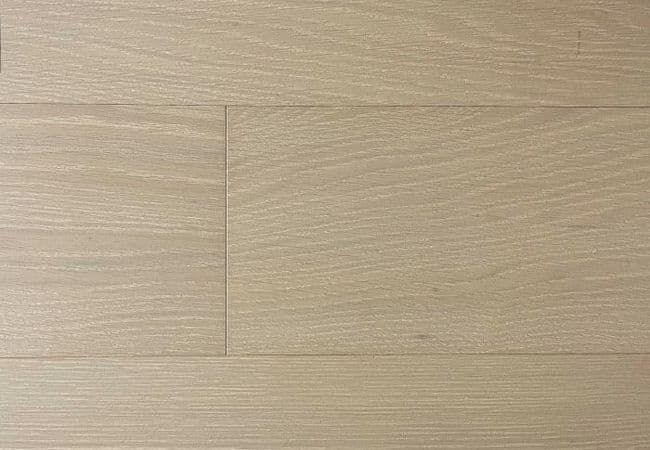
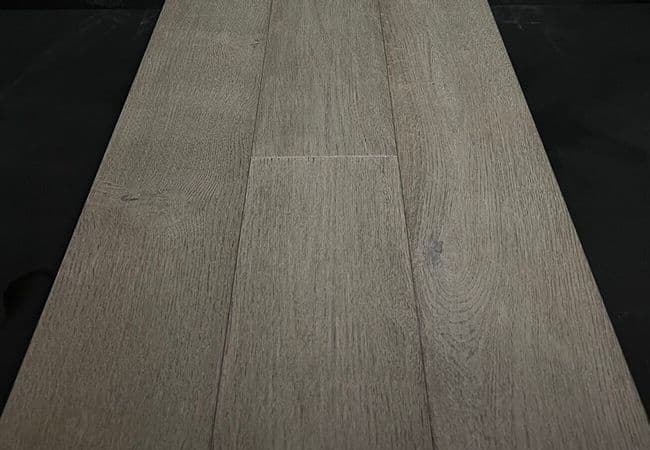
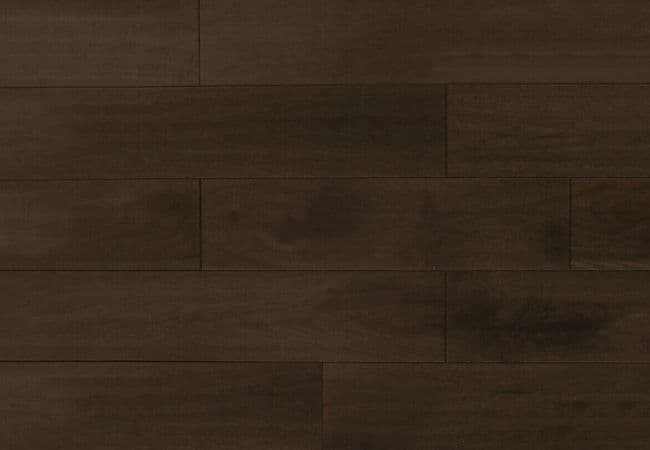
Appalachian Alta Moda Red Oak Linen 5" x 1/2" Engineered Hardwood Prestige
Engineered Hardwood | Red Oak | 2.5mm | 1/2" | 5"
Contact for price

Engineered hardwood is real wood - a genuine timber surface layer over a cross-ply core engineered to stay flat through Ontario's humidity swings. It looks like solid hardwood, feels like solid hardwood, and works in rooms where solid wood can't go. Visit our Mississauga store just 20 minutes from Toronto, or our Barrie flooring store serving Simcoe County, and see hundreds of in-stock species and finishes in person.
Choose the wood construction that fits your rooms, then filter by species, width, and finish.
 Engineered HardwoodMulti-ply core with a real wood wear layer, stable through Ontario humidity swings.
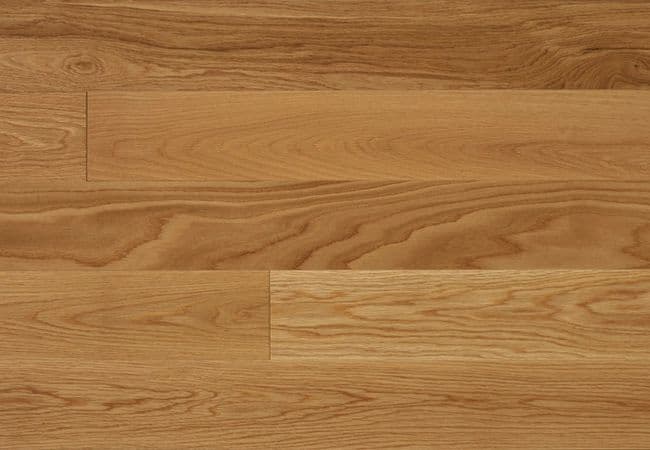 Solid HardwoodSolid timber boards for above-grade rooms where classic hardwood is the priority.
 Waterproof WoodWood-look floors rated for kitchens, baths, and spaces solid wood cannot handle.
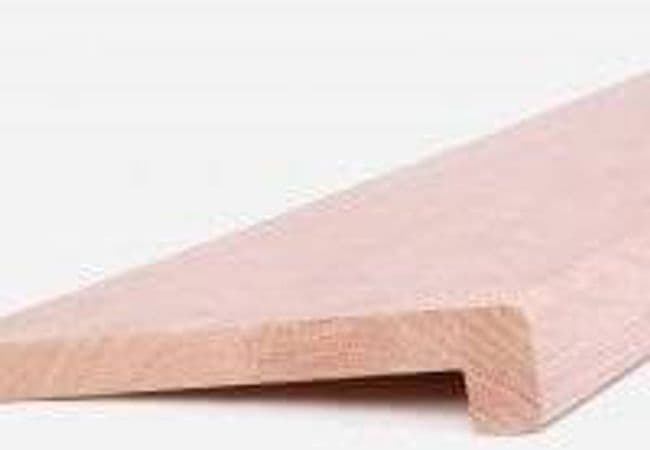 Wood Stair TreadSolid wood stair treads to match hardwood floors for a continuous look on stairs.
Browse our complete collection of engineered hardwood flooring.
Appalachian Flooring
Appalachian Alta Moda Red Oak Linen 5" x 1/2" Engineered Hardwood Prestige
Engineered Hardwood | Red Oak | 2.5mm | 1/2" | 5"
Contact for price
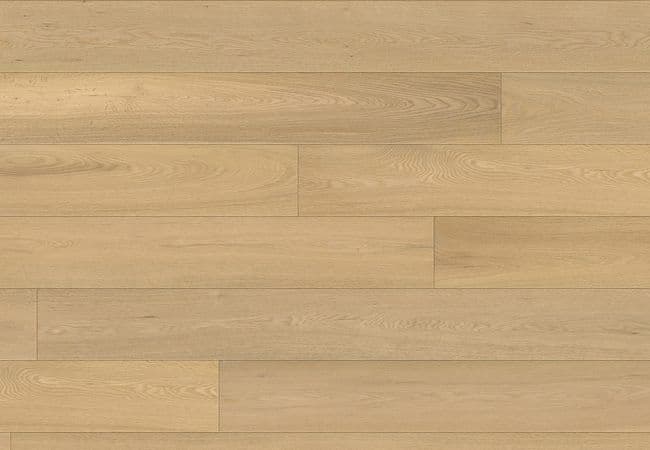
Fuzion Flooring
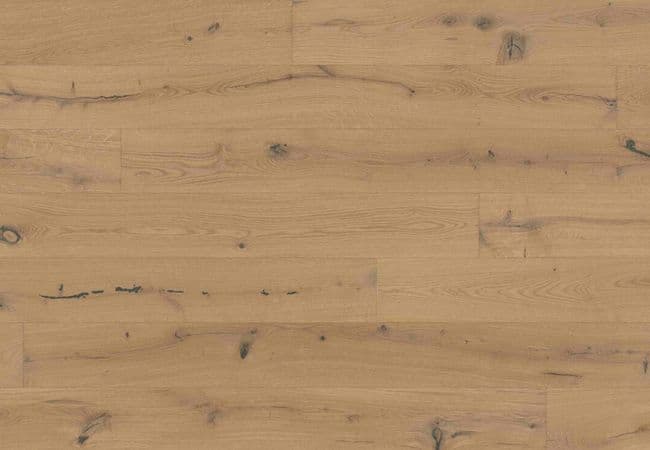
Fuzion Canvas Oak Mural 7-1/2" x 3/4" Engineered Hardwood
Engineered Hardwood | Oak | 3mm | 3/4" | 7-1/2"
Contact for price

Anderson Tuftex
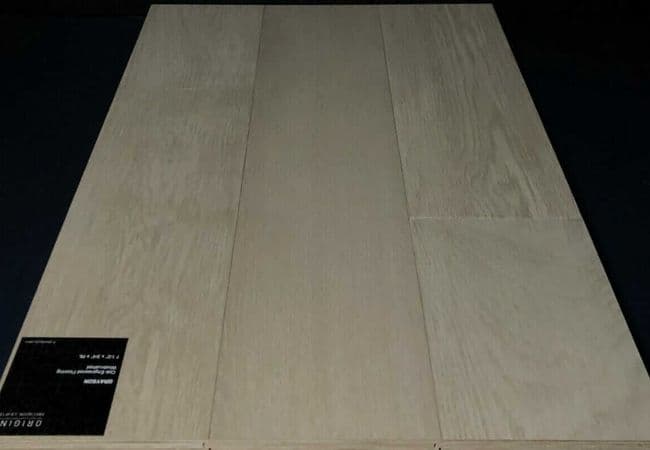
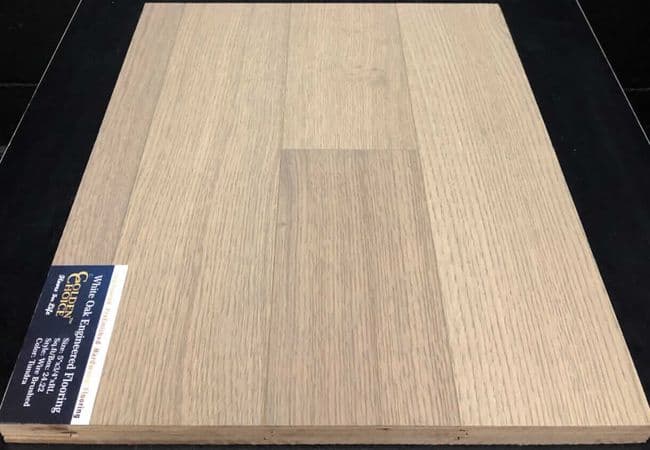
Anderson Tuftex Coast To White Oak Cabana 7-1/2" x 1/2" Engineered Hardwood
Engineered Hardwood | White Oak | 2mm | 1/2" | 7-1/2"
Contact for price
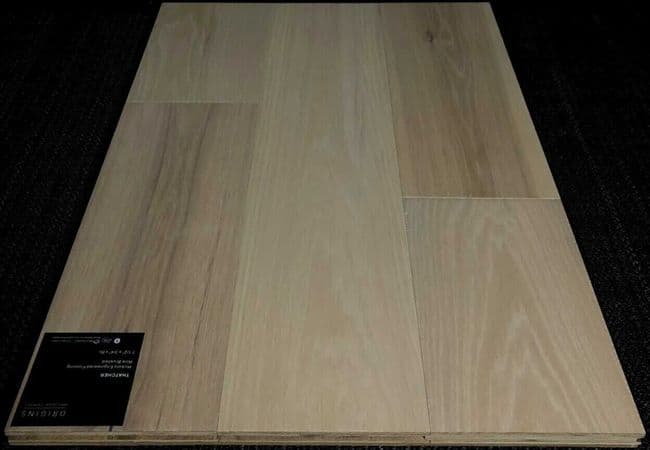
Canadian Standard
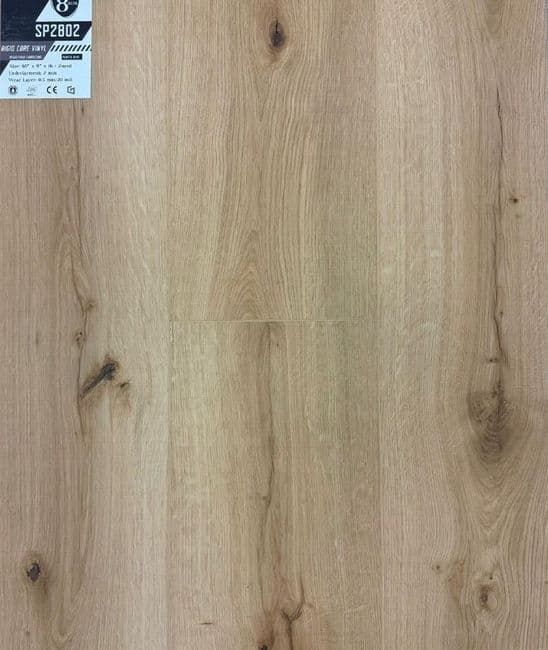
Canadian Standard Hickory Origins Thatcher 7-1/2" x 3/4" Engineered Hardwood
Engineered Hardwood | Hickory | 2mm | 3/4" | 7-1/2"
Contact for price

Vidar Flooring
Vidar White Oak (Click) Moon 5" x 1/2" Engineered Hardwood
Engineered Hardwood | White Oak | 1/2" | 5"
Contact for price
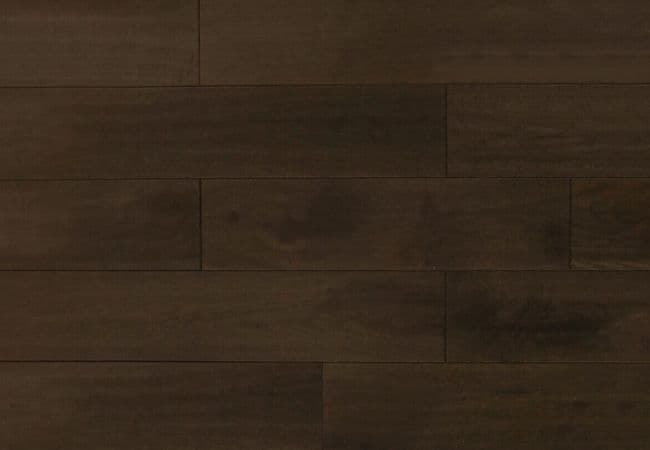
Grandeur Flooring
Grandeur Artisan Hickory Eagle 6" x 3/4" Engineered Hardwood
Engineered Hardwood | Hickory | 2mm | 3/4" | 6"
Contact for price
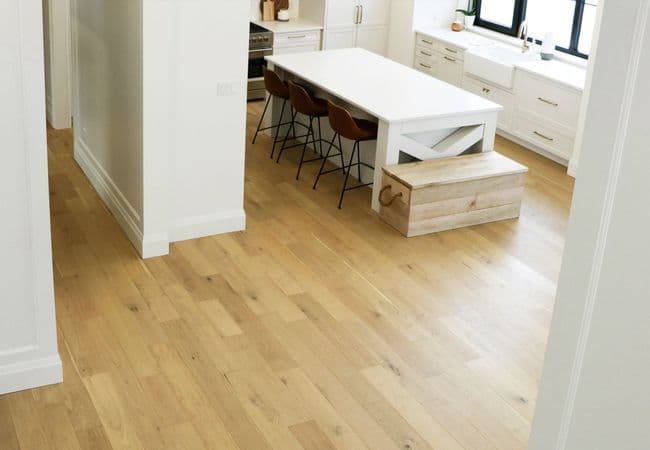
Twelve Oaks Flooring
Twelve Oaks Antique Perspective Plus White Oak Natural Elements 6-1/2" x 1/2" Engineered Hardwood
Engineered Hardwood | White Oak | 1.5mm | 1/2" | 6-1/2"
Contact for price
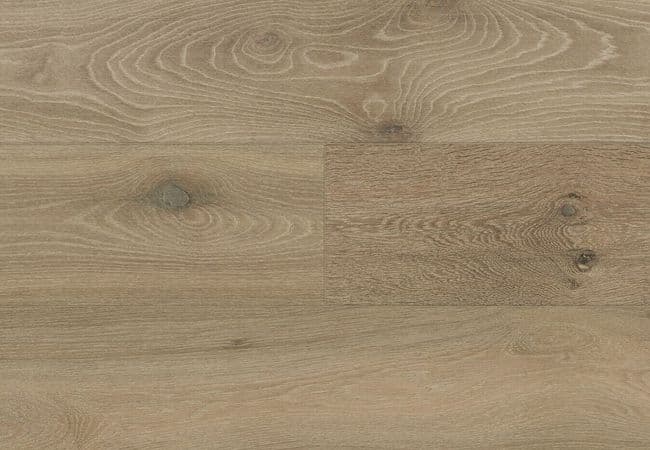
Pravada Floors
Pravada Artistique European Oak White Moreau 9-1/2" x 9/16" Engineered Hardwood
Engineered Hardwood | European Oak | 3mm | 0.56" | 9-1/2"
Contact for price
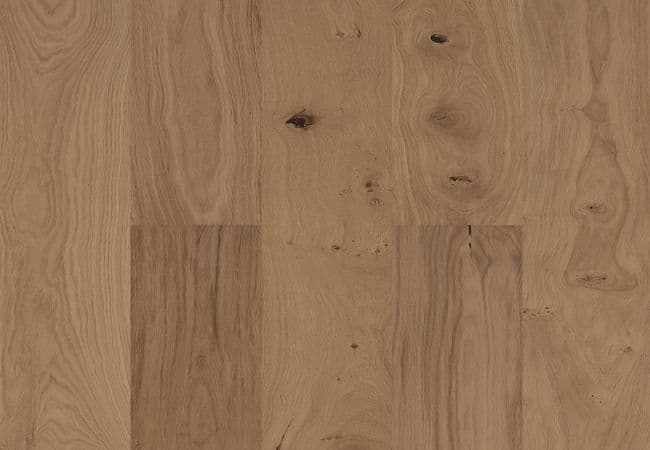
Biyork Floors
Biyork Nouveau European Oak Triangulum 8-5/8" x 3/4" Engineered Hardwood
Engineered Hardwood | European Oak | 2mm | 3/4" | 8-5/8"
Contact for price

Green Touch Floors
Green Touch Purity White Oak Bavarian Ridge 7-1/2" x 3/4" Engineered Hardwood
Engineered Hardwood | White Oak | 3mm | 3/4" | 7-1/2"
Contact for price
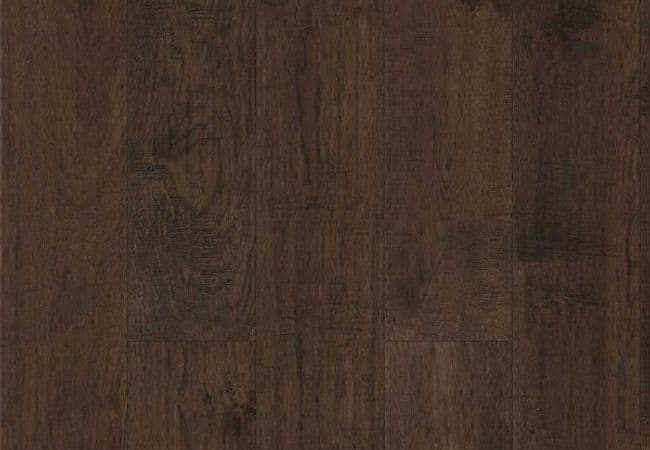
Richmond Flooring
Richmond Glencoe Maple Hickory Cheyenne 6-1/2" x 5/8" Engineered Hardwood
Engineered Hardwood | Maple | 5/8" | 6-1/2"
Contact for price
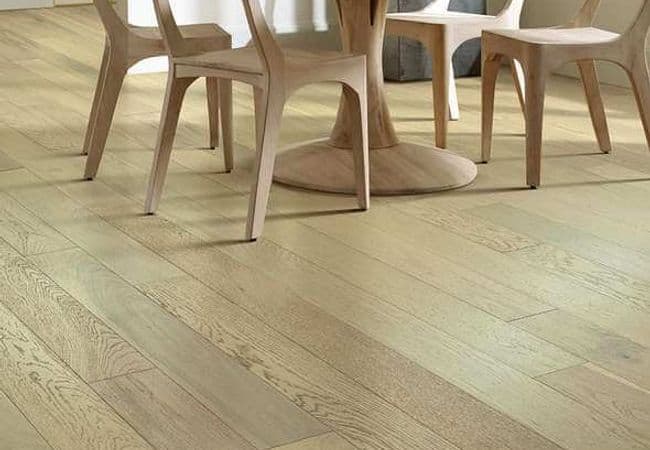
Shaw Floors
Shaw Empire White Oak Carnegie 5" x 1/2" Engineered Hardwood
Engineered Hardwood | White Oak | 1/2" | 5"
Contact for price
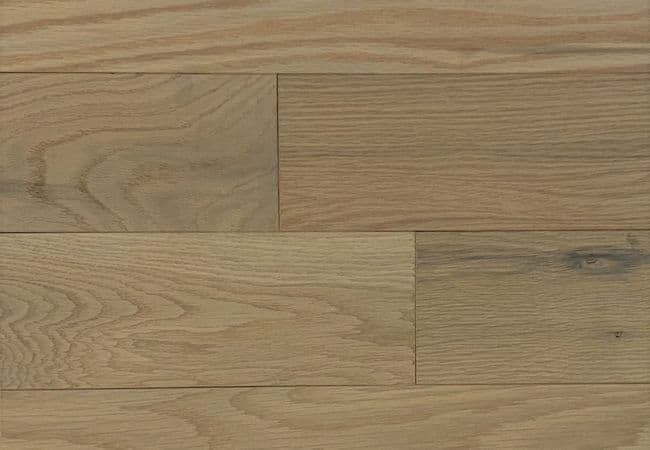
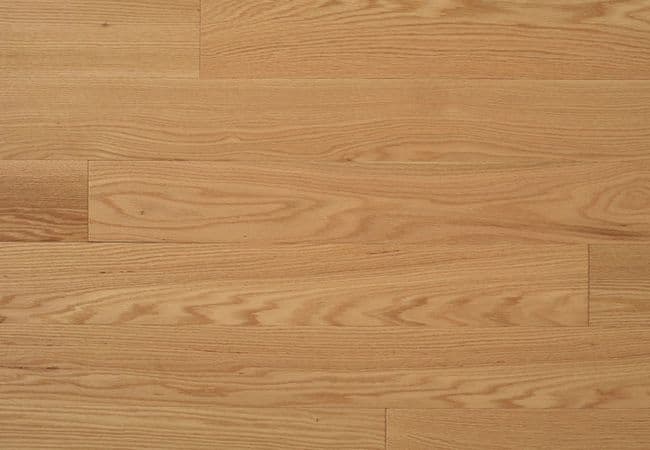
Appalachian Flooring
Appalachian Alta Moda Red Oak Paisley 5" x 1/2" Engineered Hardwood Excel
Engineered Hardwood | Red Oak | 2.5mm | 1/2" | 5"
Contact for price
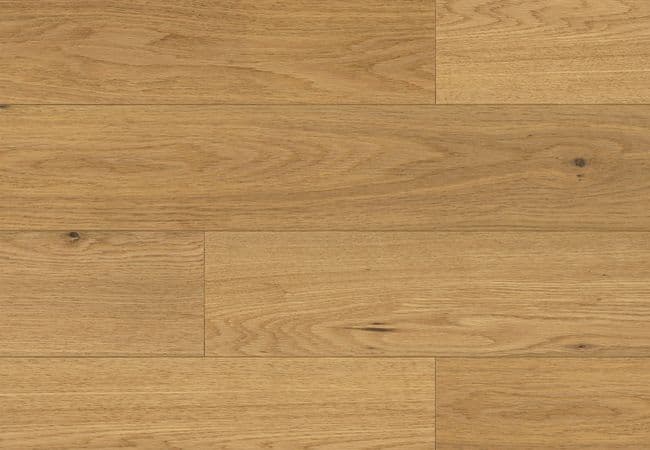
Fuzion Flooring
Fuzion Casa Bella Oak Sardinia Sand 5" x 1/2" Engineered Hardwood
Engineered Hardwood | Oak | 2mm | 1/2" | 5"
Contact for price
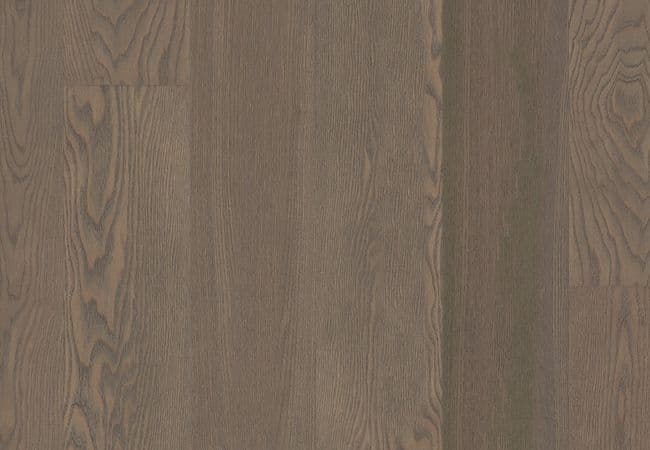
Anderson Tuftex
Anderson Tuftex Ash Riviera 7-1/2" x 9/16" Engineered Hardwood
Engineered Hardwood | Ash | 4mm | 0.56" | 7-1/2"
Contact for price
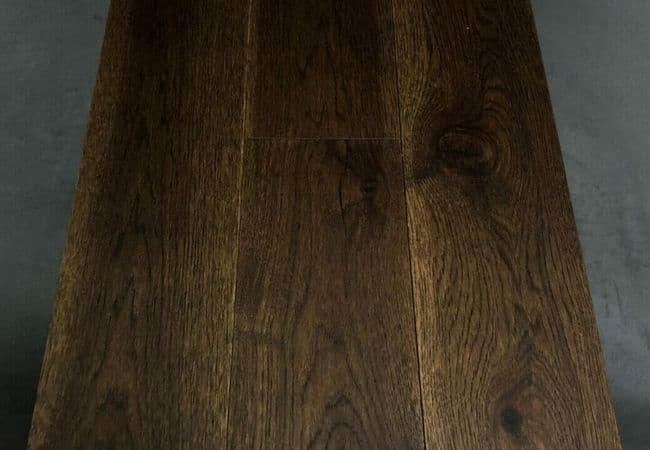
Canadian Standard
Canadian Standard Hickory Origins Winchester 6-1/2" x 3/4" Engineered Hardwood
Engineered Hardwood | Hickory | 1.2mm | 3/4" | 6-1/2"
Contact for price

Vidar Flooring
Vidar White Oak Chevron Moon Light Herringbone 5" x 3/4" Engineered Hardwood
Engineered Hardwood | White Oak | 3/4" | 5"
Contact for price
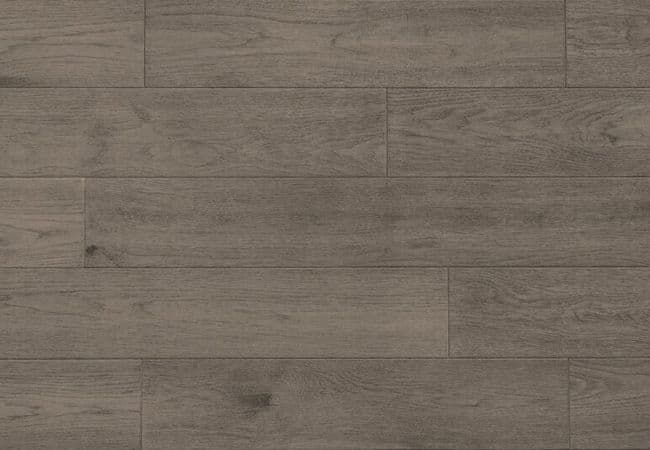
Grandeur Flooring
Grandeur Artisan Hickory Coyote 6" x 3/4" Engineered Hardwood
Engineered Hardwood | Hickory | 2mm | 3/4" | 6"
Contact for price
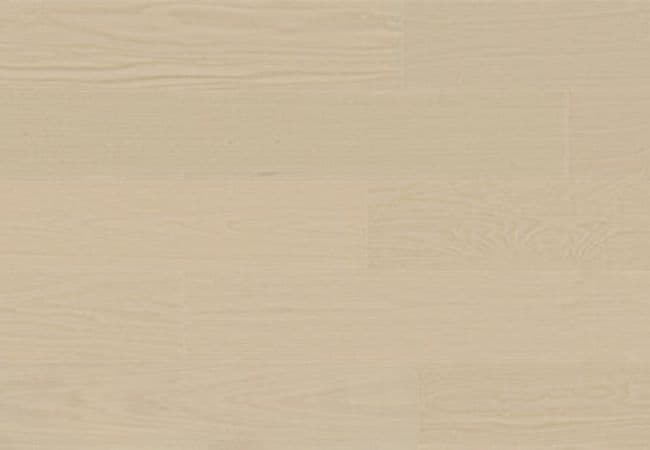
Twelve Oaks Flooring
Twelve Oaks Contempo American Oak Zeal 7-1/2" x 1/2" Engineered Hardwood
Engineered Hardwood | American Oak | 1.5mm | 1/2" | 7-1/2"
$5.76/sq.ft
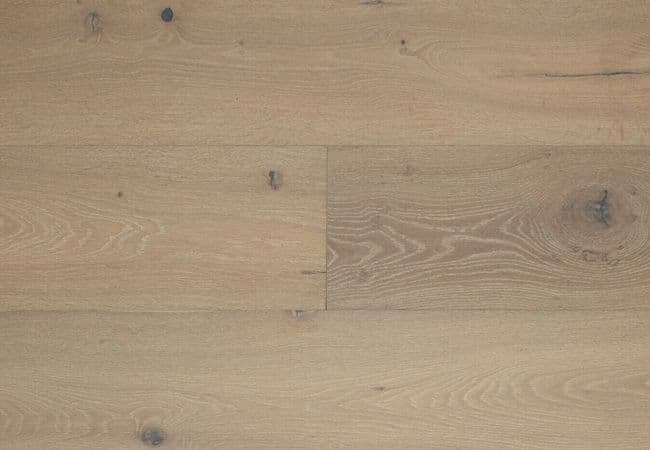
Pravada Floors
Pravada Artistique European Oak White Cardin 9-1/2" x 9/16" Engineered Hardwood
Engineered Hardwood | European Oak | 3mm | 0.56" | 9-1/2"
Contact for price
Price Match
Guaranteed best price
Borrow Samples
See in your Space
Pro Installation
Commercial & Residential
Local Inventory
Ready to ship
Two Stores
Mississauga & Barrie
Expert Advice
Here to help
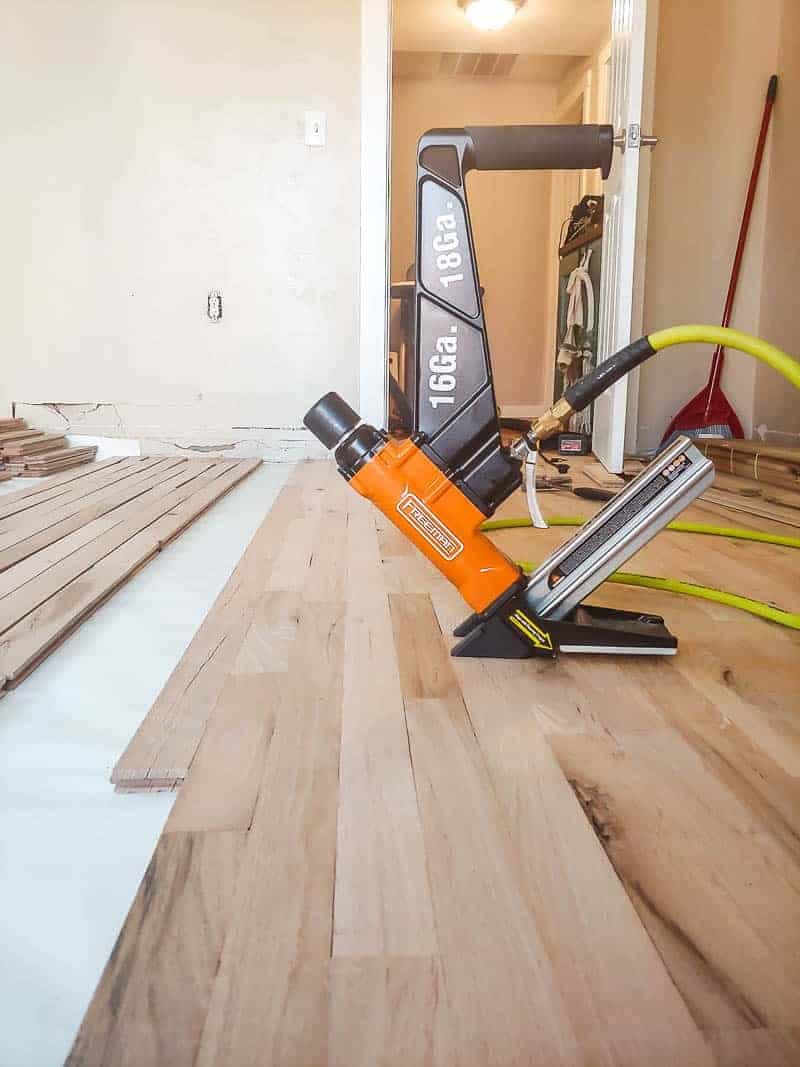
1 Year Workmanship Warranty
Our in-house installation teams bring over 3,500 completed projects of experience. We ensure proper subfloor preparation and manufacturer-approved methods for a long-lasting finish.
Compare flooring samples in person.
Confirm product, colour, construction, and quantity.
Review room measurements and floor preparation.
Installation completed by our in-house team.
Engineered hardwood gives you the natural character of real wood with a layered core designed to improve dimensional stability. That construction can make it a practical choice for many Ontario homes, including condos, family homes and some below-grade spaces when the specific product is approved for the application.
In simple terms: engineered hardwood has a genuine wood surface, but its layered core helps it respond more consistently to normal seasonal changes in indoor humidity.
If you are comparing different materials, explore our full flooring selection before deciding.
Seeing engineered hardwood in person makes it much easier to compare species, colour variation, surface texture, plank width and overall quality. Visit our Mississauga flooring store or Barrie flooring store to view samples and discuss your subfloor, room conditions and installation requirements. You can also check our current store hours before visiting.
Ontario homes can experience noticeable changes in indoor relative humidity between heating and cooling seasons. Engineered hardwood is designed to reduce movement compared with many solid wood floors, but every wood floor still needs proper site conditions. Maintain the humidity range specified by the manufacturer and follow the product’s acclimation, expansion and installation instructions.
Engineered hardwood is real wood flooring. The visible surface, often called the wear layer or lamella, is made from genuine hardwood such as Oak, Maple, Hickory, Walnut or Ash.
Beneath that surface is a layered core. The layers are arranged to help limit the expansion and contraction that naturally occurs as wood responds to changes in temperature and humidity.
It is different from laminate flooring, which uses a printed wood image beneath a protective surface layer. Laminate can provide a convincing wood appearance, but engineered hardwood gives you the natural grain, colour variation and feel of genuine wood.
Seasonal indoor conditions can affect any real wood floor. Dry winter air may cause wood to contract, while higher summer humidity may cause it to expand. Engineered construction helps reduce this movement, which is one reason it is commonly considered for Toronto condos, Mississauga homes and properties throughout Barrie and Simcoe County.
This does not mean every engineered hardwood product is suitable for every room. Below-grade use, concrete installation and radiant heating must be approved for the exact collection. Always check the manufacturer’s technical information, warranty and permitted installation methods.
If you are deciding between engineered and solid hardwood, compare the subfloor, installation level, expected humidity, plank construction and refinishing goals, not only the colour or price.
The wear layer is the genuine hardwood surface above the engineered core. Its thickness can affect the floor’s potential for future screening, recoating or sanding, but it does not guarantee a fixed number of refinishing cycles.
Approximately 2mm: Common in value-focused and residential products. Some may allow light surface renewal, depending on the bevel depth, condition and manufacturer instructions.
Approximately 3–4mm: Often selected by homeowners who want more refinishing potential. The actual number of possible sanding cycles depends on the product construction and how much material is removed each time.
Approximately 6mm: A thicker premium wear layer that may offer refinishing potential closer to some solid hardwood products.
Wear-layer thickness is only one part of the decision. Also compare the finish system, core construction, plank thickness, locking profile, warranty and approved installation method.
Plank width also changes how the finished room feels. Wider boards can create a cleaner, more open appearance, while narrower boards may suit traditional interiors or smaller spaces. Viewing several sizes in-store is the best way to judge the scale.
Oak remains one of the most versatile engineered hardwood choices. It has a familiar grain pattern, accepts a wide range of stains and works with both traditional and contemporary interiors. European Oak is often offered in wider planks and natural finishes, while North American Oak provides a classic domestic appearance.
Hard Maple has a dense surface, fine grain and generally consistent colour. It is popular in clean, modern and Scandinavian-inspired interiors.
Hickory usually offers greater hardness than Maple and has stronger natural colour and grain variation. It can work well in active homes, but its distinctive character is more noticeable than Oak or Maple.
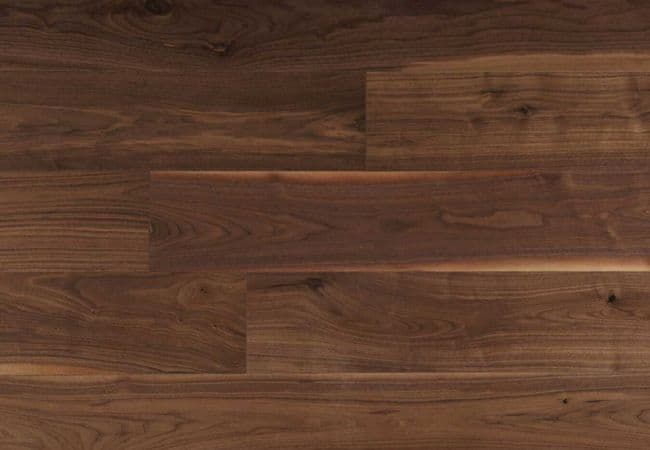
Walnut provides rich brown tones and a refined appearance. It is softer than Oak, Maple and Hickory, so dents and scratches may be more visible. A thicker wear layer can increase future refinishing potential, but it does not make the wood surface harder.
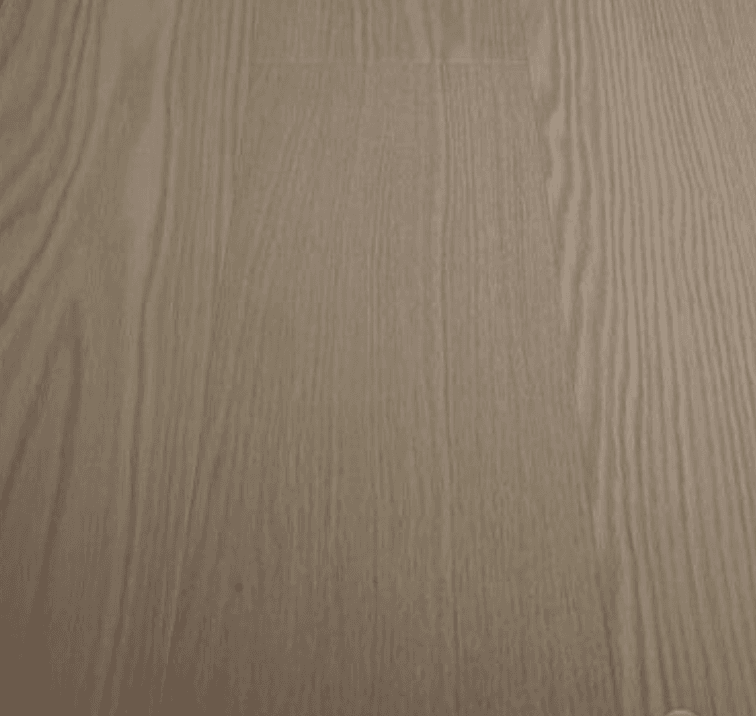
European Ash and White Oak are commonly found in wider-plank and premium collections, often with wire-brushed, low-sheen or natural-looking finishes.
Before choosing flooring for a condo, review the building’s written flooring policy. Requirements vary and may include IIC, FIIC, AIIC or STC documentation, a specific tested floor-and-ceiling assembly, an approved underlayment or property-management approval.
A floating engineered hardwood installation is often considered over concrete, but it is not automatically approved by every condominium corporation. Bring the building requirements to our Mississauga store so the flooring, attached pad or separate hardwood underlayment can be reviewed as one system. Final approval remains with the condominium corporation or property manager.
Engineered hardwood is commonly chosen for living rooms, dining rooms, hallways and open-concept main floors. When comparing products, consider household traffic, pets, sunlight, plank width, surface texture, finish system and future refinishing expectations.
Oak remains a practical and versatile choice, but there is no single wear-layer thickness or species that is automatically right for every home. The best specification depends on the room, product warranty and expected use.
Homes in Barrie and Simcoe County may experience longer heating seasons and dry winter indoor conditions. Engineered hardwood can be a practical option, but stable indoor humidity is still important. Follow the manufacturer’s required humidity range and use humidification or dehumidification where needed.
Our Barrie showroom team can help compare products based on the building type, subfloor, heating system and room location.
Some engineered hardwood collections are approved over radiant heating systems, while others are not. Confirm the exact product’s radiant-heat approval, maximum permitted surface temperature, subfloor requirements, installation method and required rate of temperature change before installation.
Do not assume that engineered construction alone guarantees radiant-heat compatibility.
Engineered hardwood can be installed in several ways. The correct method depends on the product construction, subfloor, installation level and manufacturer instructions.
Floating: The planks connect to one another over an approved underlayment without being permanently fastened to the subfloor. This method is commonly considered over concrete and in some condo applications.
Glue down: The flooring is bonded directly to a properly prepared substrate using an approved wood flooring adhesive. Moisture testing, surface preparation, adhesive selection and site conditions are critical.
Nail or staple down: This method is commonly used over suitable plywood or wood subfloors. Fastener type, spacing and subfloor requirements must follow the flooring manufacturer’s instructions.
No installation method eliminates the need for a flat, clean, dry and structurally sound subfloor. Floor preparation may require patching or approved subfloor levelling products.
Engineered hardwood is worth considering when you want a genuine wood surface with improved dimensional stability and some potential for future refinishing.
Laminate flooring may be a better fit when budget, scratch resistance and easy maintenance are the priorities. It cannot be sanded and refinished like genuine hardwood.
Vinyl flooring includes products designed to resist water damage to the plank itself, making it practical for many basements, kitchens and other moisture-prone rooms. It does not waterproof the complete room or remove the need to address leaks and slab moisture.
Waterproof wood flooring can provide a real-wood or wood-based surface with improved water resistance, depending on the product. Always review the warranty, approved rooms and exposure limits.
Solid hardwood may suit above-grade rooms with an approved wood subfloor and controlled indoor humidity. It generally offers a thicker solid-wood profile, but it is not the best choice for every substrate or installation level.
Real wood flooring may appeal to buyers who value natural materials, but its effect on property value depends on the home, product, installation quality and local market.
Squarefoot Flooring carries engineered hardwood from established Canadian, North American and international flooring brands. Availability can vary by collection, colour and showroom, so contact us before visiting for a specific sample.
Industry leaders: Appalachian Flooring, Anderson Tuftex, Fuzion Flooring, Grandeur Flooring, Twelve Oaks Flooring and Biyork Floors.
Premium and designer: Brand Surfaces, Boen Flooring, Novella Wood, Vidar Flooring, Weiss Flooring and Woden Flooring.
Performance and value: Beaulieu Canada, Golden Choice, GoodFellow Flooring, Green Touch Floors, Impressive Floors, NAF Flooring, Richmond Flooring, Shaw Floors, Lucid Flooring, Toucan Flooring, Lee Flooring, Falcon Floors and 1867 Floors.
Our installation team handles residential and commercial engineered hardwood projects across Toronto, Mississauga, Barrie and surrounding communities. Services can include subfloor assessment, moisture testing, floor preparation, underlayment, installation, stair nosings and finishing trims.
Visit our engineered hardwood installation page or email sales@squarefootflooring.com to request an estimate.
Before ordering, confirm the availability of coordinating stair parts, reducers, T-mouldings, end caps, baseboards and other required transitions. Exact matches are not available for every product.
Browse our full flooring range to compare materials before making a final decision.
Visit Squarefoot Flooring at 700 Dundas Street East in Mississauga or 112 Saunders Road in Barrie to compare engineered hardwood species, widths, finishes and constructions in person. Our showrooms serve customers across Toronto, Mississauga, Barrie, Innisfil, Angus, Orillia, Collingwood, Midland and Simcoe County.
Engineered Hardwood Installation
Free Estimates: sales@squarefootflooring.com
Quick answers to the questions homeowners ask most before buying.
Tile and flooring decisions are hard to make from a thumbnail. Visit either store to see full-size samples under real lighting, review manufacturer specifications with our team, and speak with the same crew that installs these floors every week.
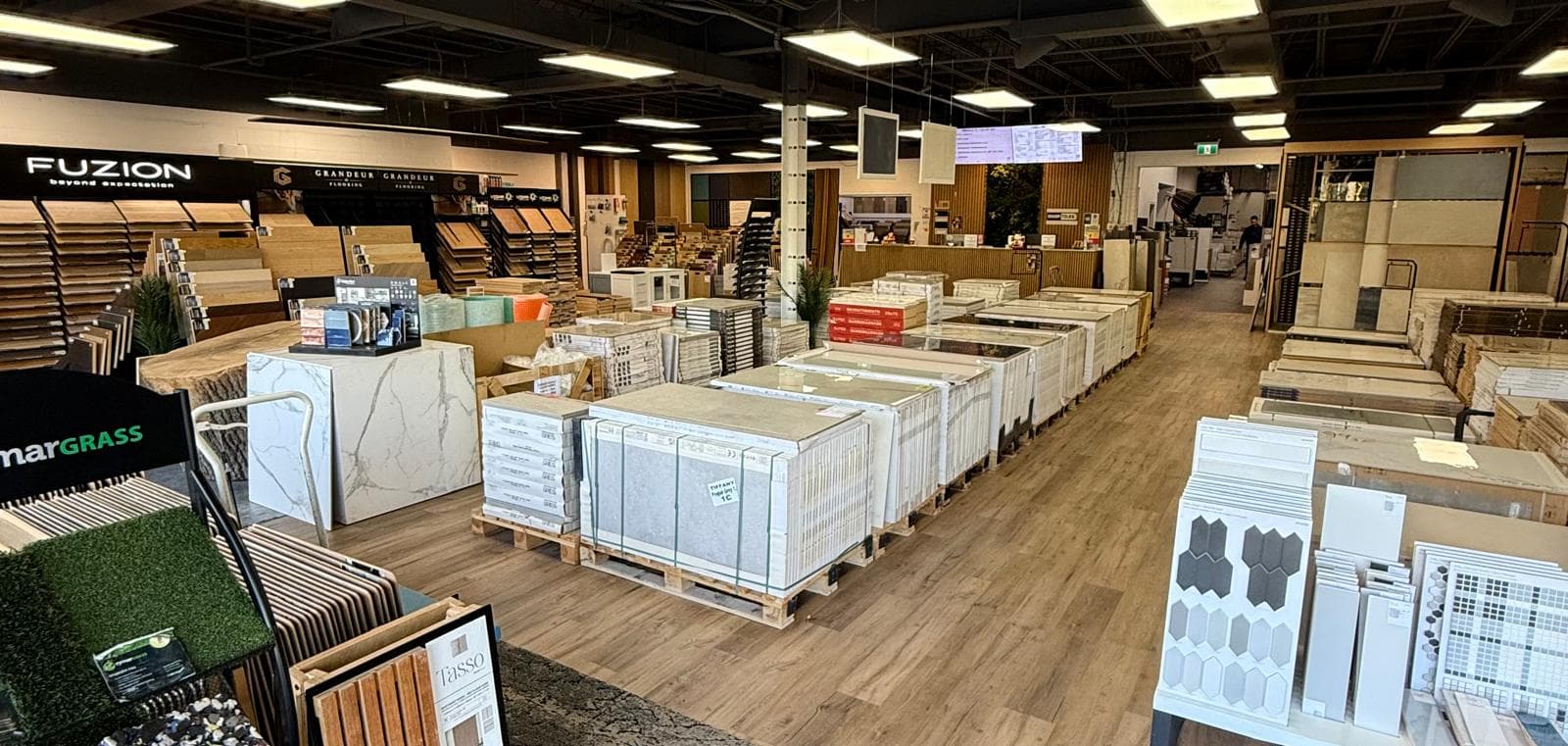
Full-size samples, a dedicated specification desk, and our deepest in-stock inventory across hardwood, vinyl, laminate, tile, and natural stone.
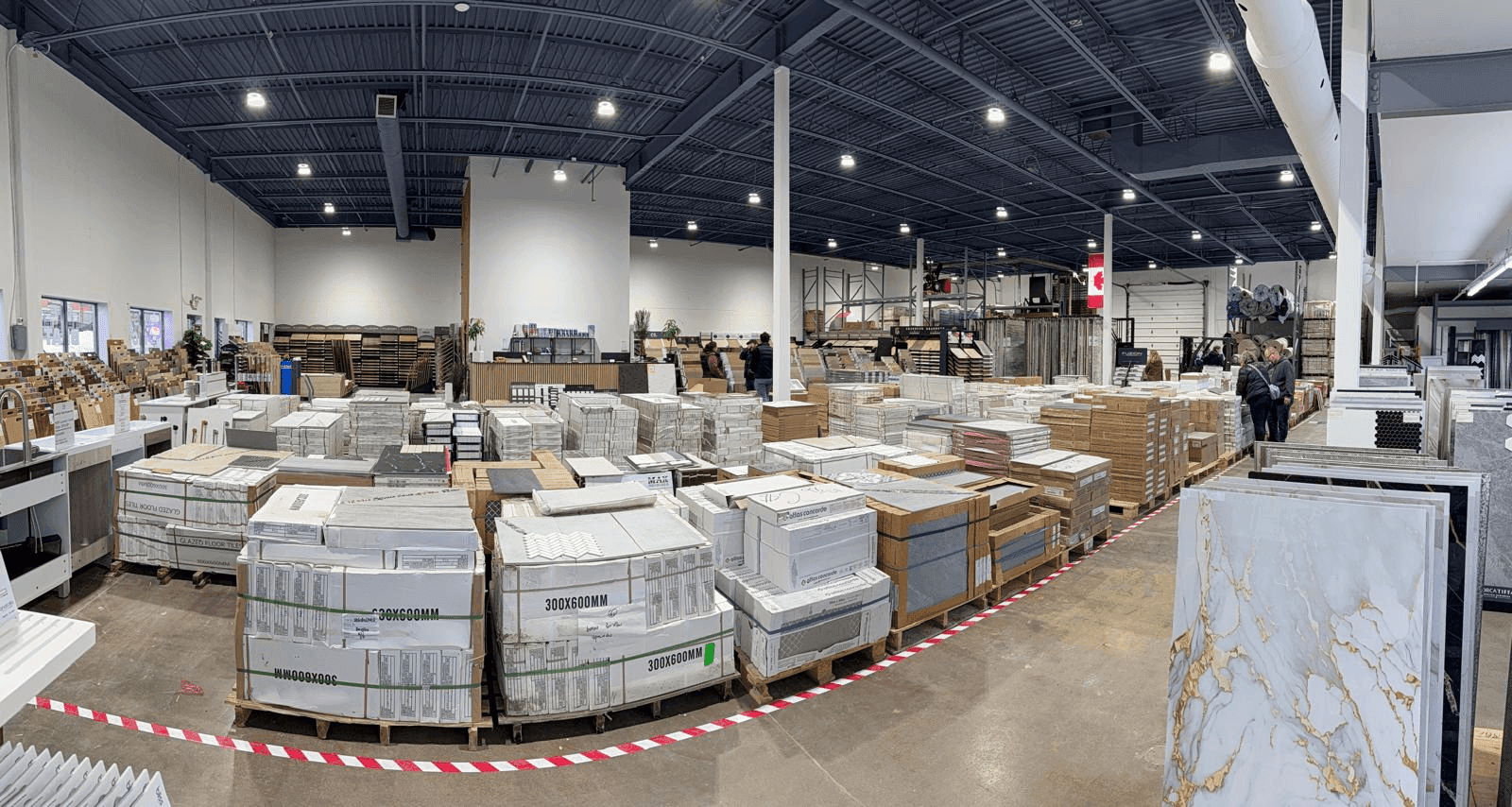
Deep inventory for cottage-country projects: wide-plank engineered hardwood, freeze-thaw tile, and waterproof options. Confirm each product’s published temperature range and seasonal application limits.
Not everyone can visit a store right away. Send photos, room measurements, product screenshots, or questions by text and our team will help you narrow down options before your visit.
Text UsWe deliver materials and install flooring throughout the GTA, Simcoe County, and surrounding communities using our own in-house installation crews. Most projects can be measured, quoted, supplied, and installed through a single point of contact.
Contact Our TeamBook a store visit or in-home measurement when you are ready. Availability varies by week; many homeowners schedule within a few business days. Bring room conditions and we will help review manufacturer temperature, acclimation, expansion, sunlight, and warranty limits.